The Personal Injury Discovery Phase Explained: What to Expect Once a Lawsuit is Filed
Once a personal injury lawsuit is filed, both sides begin gathering and testing evidence. This stage, called discovery, allows each party to learn the facts supporting the other side’s case. It can involve written questions, document requests, medical records, witness interviews, and examinations. Discovery often shapes settlement discussions and trial preparation, so careful responses matter. The process becomes clearer when each step has a defined purpose and deadline. Let’s understand the personal injury discovery phase in detail.
What Discovery Is Designed to Establish
Discovery creates a shared factual record before trial. The claimant must support the injury, its cause, and the losses claimed. The defendant tests those allegations and presents evidence supporting its response. Lawyers at reputable law firms like Triumph Law can help injured parties understand what discovery means for their individual cases.
In a personal injury dispute, the discovery process depends on the court, jurisdiction, and the type of claim. Applicable procedural laws are also important. Parties may exchange information and documents during discovery. They may also provide sworn testimony.
After an accident, people should focus on relevant legal services, evidence handling, and communication standards, especially when medical evidence forms part of the claim.
The Main Discovery Steps
Here are the main steps in this process:
- Document Disclosure
Each side identifies documents that support or harm its position. These records can include medical notes, treatment invoices, employment records, accident reports, photographs, messages, and insurance correspondence.
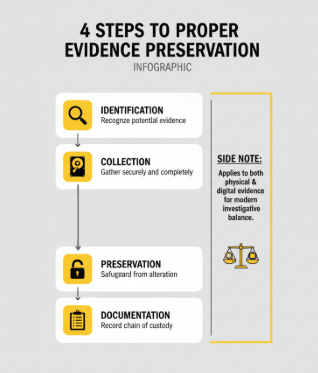
A party usually must preserve relevant material once litigation is reasonably expected. Deleting messages, altering records, or hiding documents can damage credibility and lead to court sanctions.
The lawyer reviews the material for relevance, privilege, and confidentiality before disclosure. Privileged legal advice normally remains protected, while ordinary medical or financial records often need to be produced.
- Written Questions and Notices
A party can send formal questions seeking facts about the incident, injuries, treatment, employment, and financial losses. The receiving party must provide accurate answers within the required timeframe.
Responses should address each question directly. Guesswork creates risk, while an incomplete answer can invite further requests or an application for court directions.
Lawyers also exchange notices that identify the issues for trial, documents referred to, and witnesses who might give evidence. These notices help narrow disputes before hearing dates are finalized.
- Medical Examinations
The defendant can seek an independent medical examination when the claimant’s physical or psychological condition is disputed. The examination is separate from treatment and focuses on evidence for the lawsuit.
The claimant should attend as required, answer honestly, and describe symptoms consistently. The examining practitioner records findings and prepares a report that both sides may use.
Medical privacy still matters. The examination should address relevant conditions, not provide unrestricted access to every aspect of a person’s health history.
How Long the Process Takes
Discovery has no single duration. A straightforward claim with limited injuries can progress quickly, while serious injuries require extensive medical evidence and long-term loss calculations.
Delays arise when records arrive late, experts need further information, or one side disputes the scope of disclosure. Court timetables control important deadlines, so missed dates require immediate legal attention.
A claimant should keep a dated record of symptoms, appointments, travel costs, missed work, and daily limitations. This record supports the evidence without replacing clinical notes or employment documents.
What Claimants Should Avoid
Claimants should avoid discussing the lawsuit on social media. Posts, photographs, private messages, and online activity can become relevant if they contradict statements about pain, mobility, work, or recovery.
Claimants should also avoid contacting the opposing party directly about disputed facts. Communications can create confusion or admissions, particularly when someone feels pressured to respond quickly.
Every document should be retained in its original form. Copies should not be edited, annotated, or renamed in ways that obscure when they were created.
What Happens After Discovery
After discovery closes, both sides assess the evidence and the remaining issues. The parties might negotiate a settlement, attend a mediation, seek judgment on a legal issue, or prepare for trial.
A settlement proposal should account for medical costs, lost income, future needs, liability, and the strength of the available evidence. Once accepted and documented, settlement terms usually determine how the claim ends.
If the matter reaches trial, discovery documents help shape witness questioning and expert evidence. A party cannot usually introduce entirely new material without following procedural requirements.
Conclusion
The discovery phase turns broad allegations into tested evidence. Claimants should preserve records, answer formal requests carefully, attend required examinations, and promptly report changes to their lawyer.
Injured parties must create a secure folder containing medical records, expenses, employment documents, photographs, and relevant communications. This preparation allows the legal team to have an accurate record and reduces avoidable delays before settlement discussions or trial.