Why Accident Victims Need a Lawyer Before Settling
After a collision, injured people often want the matter finished before pain, bills, and missed work grow worse. That impulse is understandable, yet early closure can cost far more later. Symptoms may shift, treatment plans may expand, and wage loss may last longer than first expected. A lawyer gives structure during that unstable period, preserves important proof, and helps measure the full medical and financial effect before any release is signed.
Early Offers Carry Hidden Risk
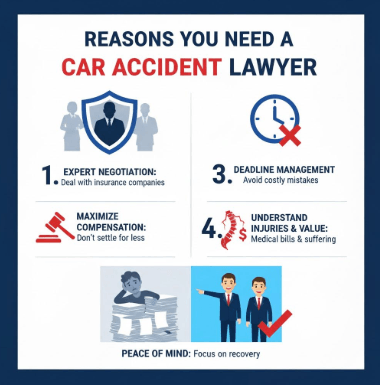
Insurance carriers often reach out while pain is fresh, sleep is poor, and judgment is strained by medication or worry. During that stretch, a Charlotte personal injury lawyer can study records, earning loss, and fault questions before discussions harden. What seems reasonable in the first week may fail to cover later imaging, specialist visits, physical therapy, or a slower return to work.
Settlements Close the Door
A release usually ends the claim in a final way. Once signed, later expenses or delayed symptoms may become the injured person’s burden alone. Lingering neck stiffness, nerve pain, or joint instability can surface after the paperwork is complete. Legal review before signing helps confirm whether the amount reflects present harm and likely future care.
Fault Rules Can Defeat Recovery
Liability law shapes every injury case. In North Carolina, even slight blame can hinder a payment under contributory negligence rules. Carriers know that standard well, and they look for remarks that shift responsibility. Counsel helps protect the record, keeps statements precise, and frames the event around verifiable facts rather than pressure-filled conversations.
Medical Costs Rarely Stop Early
Serious injuries seldom end with an emergency room visit. Follow-up imaging, orthopedic review, prescription changes, rehabilitation sessions, and home assistance can continue for months. Some conditions worsen after swelling settles and movement returns. Reaching an agreement too early may leave those costs unpaid. Lawyers use charts, physicians’ opinions, and treatment history to estimate likely future needs.
Lost Income Is More Than Missed Days
Many people count only wages already missed. That method can shrink the real picture. Some injuries reduce lifting ability, limit standing tolerance, or cut concentration after head trauma. Others end overtime, bonus pay, or promotion opportunities. Legal review helps put credible numbers on those losses through payroll records, employer statements, and work restrictions.
Pain Has Economic Weight
Adjusters often focus on bills because invoices are easy to total. Human harm reaches much further. Persistent headaches, poor sleep, fear during travel, and reduced mobility can alter daily routines in ways that families feel immediately. A lawyer helps document those effects through treatment notes, symptom logs, and witness accounts so discussions reflect lived injury, not paper costs alone.
Evidence Fades Quickly
The strongest proof rarely waits. Vehicles are repaired, surveillance clips are erased, debris disappears, and witnesses forget what they saw. Bruising also changes color and size within days, which can affect how force is perceived later. Early legal involvement helps preserve photographs, electronic data, reports, and statements before those details are gone.
Recorded Statements Can Hurt Claims
Adjusters often request recorded comments soon after a wreck. An injured person may guess about speed, understate symptoms, or speak politely despite real discomfort. Those words can later be used to challenge credibility or reduce value. Legal guidance keeps communication short, accurate, and limited to information that can be confirmed.
Case Value Depends on Proof
A claim is worth what the evidence can support, not what the first offer suggests. Lawyers gather imaging results, treatment records, repair data, employment documents, and witness accounts. They compare current loss with future impact, including reduced stamina or chronic pain. Stronger proof usually leads to a more accurate figure during negotiations.
Pressure Tactics Favor Insurers
Pressure often arrives through repeated calls, short deadlines, or warnings that delays will hurt payment. That approach works best when injured people feel isolated and overwhelmed. Representation changes the tone. Once counsel steps in, communication becomes controlled, documentation improves, and emotional strain stops driving major decisions about money and medical recovery.
Court Readiness Improves Negotiation
Most claims settle outside a courtroom, yet serious preparation still matters. Carriers pay closer attention when a file shows clear evidence, organized records, and credible trial readiness. Lawyers build that posture early by identifying witnesses, preserving documents, and clarifying damages. That work can improve settlement talks even if no lawsuit is ever filed.
Conclusion
Accident victims often face physical pain, financial strain, and uncertainty at the same time, which makes a fast payment seem like relief. Still, quick money can hide future risk when treatment is incomplete, or fault remains disputed. A lawyer adds distance, evidence, and careful review before rights are surrendered. By checking medical needs, wage loss, liability, and release language, counsel helps injured people settle from knowledge rather than pressure.