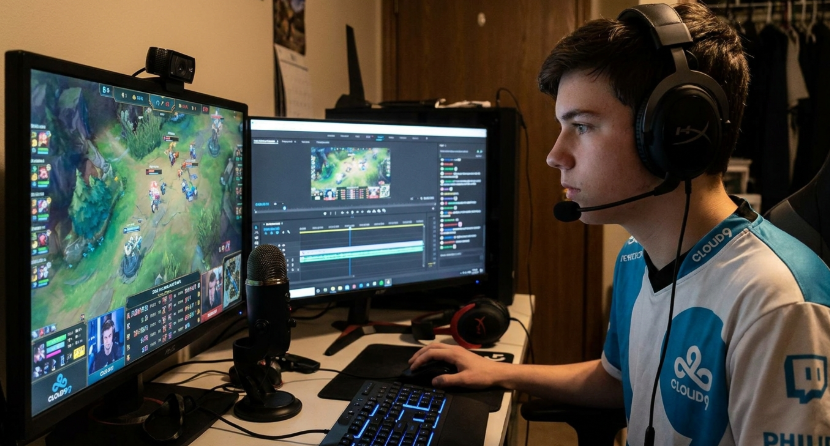
Turning Gaming Skills into Sustainable Income
Why gaming skills translate to value
Gamers build useful capabilities that translate directly into marketable services: fast decision-making, pattern recognition, teamwork, coaching instincts, and the ability to learn complex systems quickly. Those who sharpen these abilities intentionally can move beyond casual play and create revenue-generating activities that grow over time. Thinking of gaming as a set of transferable skills rather than purely a hobby is the mindset shift that shifts early efforts from sporadic wins to long-term income.
Monetization channels that scale
There are multiple pathways to convert play time into consistent earnings, and relying on one channel is risky. Content creation remains accessible: producing recordings, tutorials, highlight reels, and livestreams builds an audience that can be monetized through ads, subscriptions, and sponsorships. Esports offers prize pools and team salaries once you achieve a competitive level, while coaching and tutoring let top players sell expertise directly to others who want faster improvement. Freelance opportunities include playtesting, creating guides, or working as a consultant for indie studios. Additionally, the creator economy has room for merchandising, licensing, and community-backed models like Patreon or membership services. If you want to play games for money, begin by mapping the channels that match your strengths and audience preferences.
Building a reliable income system
Turn sporadic wins into reliable cash by designing a system with predictable outputs. Start by setting weekly and monthly goals for content production, practice, and outreach. Create a simple content calendar tied to specific monetization targets—one tutorial, two stream sessions, one highlight compilation per week, for example. Pair this with an outreach plan: contact small brands for sponsorships, collaborate with other creators to cross-pollinate audiences, and pitch your coaching service to amateur teams. Use analytics and feedback loops to prioritize activities that produce the best return on time. Track income streams separately so you can see which efforts are truly profitable versus those that merely feel productive.
Community, brand-building, and audience trust
A sustainable income depends on repeatable audience engagement. Focus on building a small, loyal community rather than chasing viral moments. That means consistent posting, genuine interaction in chat and comment sections, and content that answers real needs—gameplay breakdowns, meta analyses, and practice regimens. Brand-building involves clarity: define the niche you serve, whether it’s a specific game, a playstyle, or a demographic of learners. Authenticity and reliability convert casual viewers into subscribers and clients. Responding to messages, hosting community nights, and turning viewer questions into content all cultivate a sense of belonging that makes monetization feel natural rather than intrusive.
Diversification and income smoothing
No single revenue source is guaranteed, especially in gaming where platforms and trends change rapidly. Diversify by combining recurring income—subscriptions, memberships, retainers for coaching—with one-off earnings such as tournament prizes, merchandising sales, and ad revenue. An emergency buffer equal to several months of expenses provides breathing room and allows you to experiment with new formats without jeopardizing essentials. Consider passive or semi-passive options: packaged courses, downloadable guides, and evergreen video content can continue to earn while you focus on live events or improving your play.
Professional practices and legal considerations
Treat gamedev contracts, sponsorship deals, and prize winnings as professional income. Learn basic tax obligations in your jurisdiction, keep invoices and receipts, and decide whether registering as a business is appropriate. Contracts with brands should specify deliverables, timelines, usage rights for content, and payment terms. Protect your intellectual property and understand platform rules to avoid strikes or demonetization that can interrupt revenue. For competitive play, be careful with account sales or boosting services, which some organizers and platforms prohibit and which can carry legal and reputational risks.
See Also: How to Build a Brand People Actually Remember
Skill growth and continuous reinvestment
Invest regularly in both hard and soft skills. Improve gameplay through focused practice, but also invest in production quality—audio equipment, lighting, and video editing—to attract and retain viewers. Learn basic marketing and community management skills to convert exposure into paying supporters. Reinvest a portion of earnings into tools that amplify reach: targeted ads for key content, a better microphone for clearer streams, or professional coaching to accelerate competitive results. Continuous reinvestment is what turns short-term wins into compounding growth.
Work-life balance and burnout prevention
Sustainable income depends on sustainable effort. Avoid the grind culture trap where every waking hour is optimized for growth. Set boundaries for streaming, practice, and content creation. Schedule rest days and activities unrelated to gaming to preserve cognitive function and creativity. Periodic breaks not only prevent burnout but can also provide fresh perspectives that improve content quality and competitive performance. As revenue stabilizes, consider delegating repetitive tasks such as editing or moderation to freelancers so you can focus on high-impact activities.
Scaling up and long-term opportunities
Once you establish predictable revenue, look to scale. Build a small team to handle community moderation, editing, or business development. Expand into related verticals like coaching platforms, educational programs, or studio consulting. Licensing content for use in training or partnering with developers for early access and sponsored content can yield higher-margin deals. Finally, cultivate relationships within the industry: team managers, tournament organizers, and small brands who remember your work at an early stage may become partners later on.
Final practical steps
Set clear, measurable monthly targets for income and audience growth. Allocate time across practice, content, outreach, and business tasks. Launch one monetization stream within 30 days—whether a subscription tier, a coaching offer, or a small merch drop—and refine it through data. Keep meticulous records and treat the effort as a business: consistent work, adaptability, and respect for your community will reward you more reliably than chasing shortcuts. With discipline, strategic diversification, and an emphasis on service, gaming skills can evolve into a sustainable, scalable income source.