How Surveillance Footage Can Make or Break a Car Accident Case
After a crash, physical stress and adrenaline can distort recall within minutes. Drivers, passengers, and bystanders may each remember a different sequence of lights, lanes, and braking. Surveillance footage can steady that uncertainty with a timed visual record of movement, impact angle, and driver response. In injury claims, that record often shapes fault analysis, settlement posture, and courtroom strategy long before sworn testimony hardens into competing versions.
Why Early Review Matters
Time works against video evidence. Store systems, apartment cameras, parking lot devices, and transit recordings may erase files within days, sometimes hours. For that reason, people often seek guidance from a car accident lawyer at Law Offices of SKG soon after a collision, because quick legal action can identify likely sources, request preservation, and stop useful footage from disappearing before anyone knows it exists.
Cameras Add Neutral Detail
Video matters because it captures conduct without the limits of shock-shaped memory. A clear clip may show lane drift, delayed braking, improper turn timing, improper signal color, or a driver entering an intersection after traffic has already started moving. Those details often answer the first questions insurers raise. Footage can also test whether a witness saw the full event, or only a narrow slice from an obstructed position.
Some Cases Turn on Seconds
Many disputes hinge on timing measured in seconds. One vehicle may have entered lawfully, while another pushed through a late yellow or failed to yield during a left turn. Surveillance footage helps place each vehicle in sequence. When paired with onboard crash data, it may show acceleration, brake input, or steering response. This timing can shift liability sharply, especially where severe injury raises the financial stakes.
Intersections Create High Stakes
Intersections produce dense conflict because several movements happen at once. Through traffic, turning vehicles, pedestrians, and changing signals create room for sharply different accounts. When injuries are serious, each detail gains weight. A nearby camera may reveal a rushed turn, blocked crosswalk, red-light entry, or improper lane use. Without that record, a case may depend on memory alone, which can fragment quickly after impact and treatment.
Video Can Hurt a Claim Too
Footage does not automatically favor the person who finds it. A clip may show distraction, poor lane discipline, late response, or a rolling stop before contact. In many states, shared fault can reduce the amount of financial recovery. This is why careful review matters from the start. A strong legal position depends on the whole sequence, not on isolated frames that ignore conduct captured moments before the collision.
Quality Problems Still Arise
Many recordings look weaker than people expect. Night glare, rain, low resolution, blocked sightlines, and limited frame rates can blur key movements at the worst moment. Some systems also lack audio, which removes warning sounds such as horns or tire noise. These limits do not erase evidentiary value. They do mean lawyers must avoid reading certainty into shadows, reflections, or motion that the file cannot clearly support.
Chain of Custody Counts
Courts and insurers often examine how footage was collected, stored, and transferred. A copied clip with no source record may raise questions about editing, timing, or missing segments. Stronger proof includes the camera’s location, the owner’s identity, the download date, and the preservation history. Metadata can also matter. If timestamps drift or gaps appear without explanation, the opposing side may argue that the recording does not reliably reflect the event.
Footage Works Best With Other Proof
Video gains force when it aligns with physical evidence. Vehicle damage, debris spread, road marks, medical timing, and phone activity can all support the same sequence. When those pieces fit together, settlement pressure often rises. If they conflict, credibility weakens. Lawyers also compare footage with onboard crash data, where available, because speed, braking, and steering inputs can confirm or challenge what a camera appears to show.
Public Cameras Change Outcomes
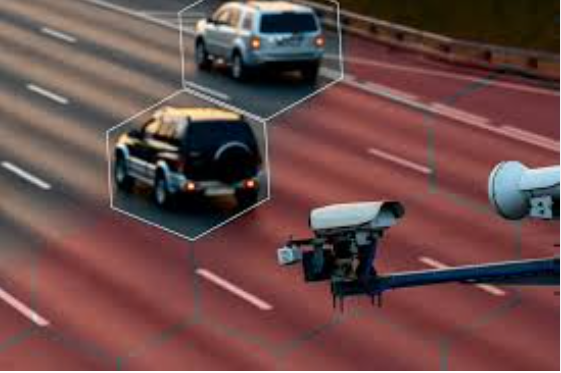
Government and transit cameras can be especially useful in dense traffic corridors. Buses, rail platforms, parking structures, and signal poles may capture angles that private systems miss. Those recordings can clarify who entered first, whether a driver crossed a marked line, or how quickly traffic was moving. In some cases, public footage becomes the only neutral view available. This can change negotiations early, before witness accounts settle into fixed positions.
Conclusion
Surveillance footage can strengthen a claim, expose a weak account, or force both sides to reassess risk. Its value depends on retrieval speed, image clarity, preservation history, and consistency with the rest of the evidence. In many collision cases, the central question is not whether a nearby camera existed. The real issue is whether someone acted quickly enough to secure and interpret that recording before routine deletion removed a decisive piece of proof.