Smart roads and autonomous cars: the future of safe travel
Imagine a world where roads are more than just asphalt and paint. This is not some sci-fi movie scene but an emerging reality. Smart roads equipped with sensors and connectivity are transforming how we travel. These sensors, embedded in the road itself, can monitor traffic flow, weather conditions, and even the structural integrity of the road. They gather data that helps in making real-time decisions, which means fewer accidents and smoother rides.
For instance, think about those pesky potholes that seem to appear out of nowhere. With smart roads, sensors can detect when a section of the pavement starts to deteriorate. This information gets sent to maintenance crews before it becomes a major issue. It’s like having a doctor for the road, always keeping an eye on its health. But that’s just scratching the surface. These roads can also communicate directly with vehicles, alerting them to upcoming hazards or changes in traffic conditions.
Sensors making every mile safer
These sensors aren’t just about making repairs faster; they’re about keeping everyone safe. Imagine driving on a foggy night when visibility is next to zero. Smart roads can sense the poor visibility and activate warning lights embedded in the road surface to guide drivers safely. It’s like having an extra set of eyes on the road.
But it doesn’t stop there. In heavy traffic areas, these sensors can manage traffic flow by adjusting signal timings dynamically based on real-time data. No more frustrating waits at red lights when there’s no cross traffic. The road itself becomes a part of an intelligent system working to get everyone where they need to go more efficiently and safely.
Cars that think for themselves
Autonomous vehicles are no longer the stuff of futuristic dreams. These cars are equipped with sophisticated AI systems that enable them to drive themselves. They use a combination of cameras, radar, and LIDAR to perceive their surroundings and make decisions on the fly. Think about this: no more worrying about finding a parking spot in a crowded mall. Your car drops you off and finds its own parking spot.
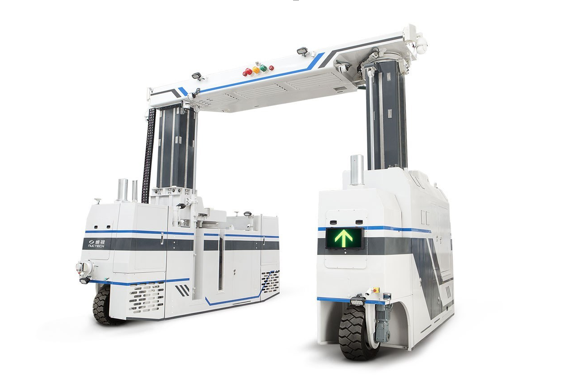
These cars communicate with each other too. It’s almost like they’re having a silent conversation about traffic conditions, potential hazards, and optimal routes. Additionally, some autonomous delivery vehicles are equipped with a cargo screen to monitor and manage valuable shipments effectively. This kind of communication reduces the chances of accidents significantly because each car knows what the others are up to. Imagine never having to slam on your brakes because the car ahead stopped suddenly; your car already knew and adjusted its speed accordingly.
Drones overhead keeping an eye out
While we’re still getting used to drones delivering packages, there’s another exciting application for these flying gadgets: traffic monitoring. Drones can provide a bird’s-eye view of traffic conditions, helping to identify bottlenecks and accidents much faster than traditional methods.
These aerial scouts can relay real-time information back to traffic management centers, allowing for quicker responses to incidents and better management of traffic flow. In areas with high-security concerns, drones could also be outfitted with a rad detector to monitor for hazardous materials, enhancing public safety. And it’s not just about managing traffic; drones can also be used for emergency services, providing crucial information during rescue missions or natural disasters.
Cybersecurity in your daily commute
With all this technology integrated into our daily commutes, cybersecurity becomes paramount. Imagine if someone could hack into your car’s system or the smart road network. The consequences could be disastrous. Therefore, robust cybersecurity measures are essential to protect this interconnected infrastructure.
This involves encrypting data transmissions between vehicles and infrastructure, regularly updating software to patch vulnerabilities, and employing AI to detect and respond to potential threats in real time. It’s an ongoing battle against cyber threats, but it’s one that must be fought to ensure the safety and reliability of these advanced systems.
See also: Advanced Dehumidification Technologies for Industrial Efficiency
Future tech on the horizon
The future holds even more exciting possibilities for transportation technology. We’re talking about things like magnetic levitation (maglev) trains that float above tracks using powerful magnets, reducing friction and allowing for incredibly high speeds. Or Hyperloop systems that promise near-supersonic travel through vacuum tubes.
Then there’s the integration of renewable energy sources into transportation infrastructure. Solar panels built into roads could potentially generate electricity for nearby communities or even power electric vehicles directly as they drive over them. The possibilities are endless and incredibly exciting.
In essence, we are on the cusp of a transportation revolution that promises safer, more efficient, and more sustainable travel for everyone. As these technologies continue to develop and integrate into our daily lives, they will undoubtedly transform the way we move from place to place.