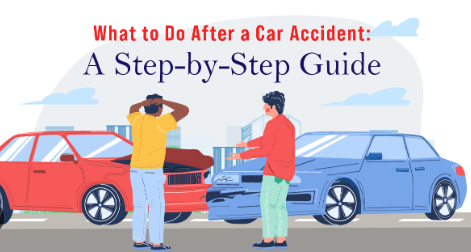
What Steps Should You Take Immediately After a Car Accident?
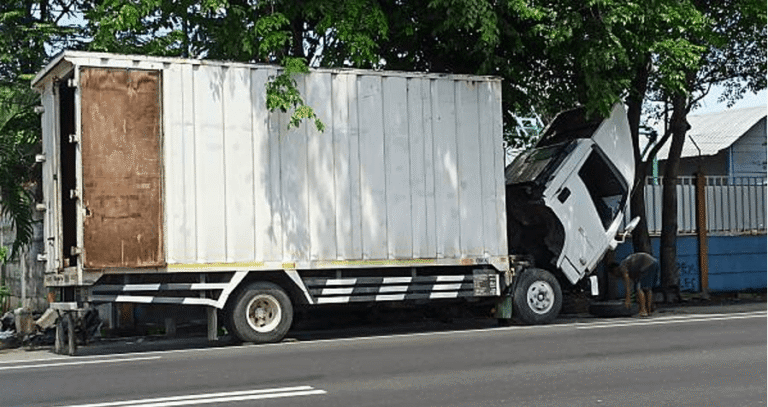
Car accidents remain a frequent cause of personal injury, with long-term data revealing how often these incidents occur in growing regions. Over 7 years, more than 100000 crashes were recorded in one Florida county, leading to thousands of injuries and a significant number of fatalities. Reports indicate that fatal crashes happen roughly every three days, showing how consistently serious incidents occur. These collisions range from minor impacts to severe multi-vehicle crashes, often resulting in injuries such as whiplash, fractures, and traumatic brain injuries. The numbers highlight how quickly a routine drive can turn into a life-altering event, affecting physical health, financial stability, and long-term recovery for victims involved in various types of roadway accidents.
Taking immediate steps after a crash can make a critical difference in both recovery and legal outcomes. Seeking medical attention right away helps document injuries and ensures proper care, even when symptoms appear later. Gathering evidence such as photos, witness details, and police reports can strengthen a potential claim. Reporting the accident and notifying insurers promptly also plays an important role. Legal guidance becomes especially valuable when dealing with liability or compensation disputes. Working with a car accident lawyer in Fort Myers can help individuals understand their rights and build a stronger case. Acting quickly and staying organized often improves the chances of securing fair compensation.
Ensure Safety First
Safety is always a priority, especially after a collision. Check everyone for injuries, and if someone appears seriously injured, only move them if necessary for their safety. It is advisable to wait for medical assistance before moving those who are severely injured to avoid exacerbating their injuries or causing additional harm. Turn on hazard lights to warn other drivers and, if safe to do so, move vehicles to a safe place, out of the path of traffic. This helps avoid additional collisions and keeps everyone on the scene safe.
Contact Emergency Services
Call Emergency Services immediately, regardless of whether it is a minor accident. This allows law enforcement to document the scene and medical professionals to offer immediate assistance. Mention the specific location, number of people involved, and any visible injuries to emergency responders. Complete and reliable information can help expedite the process of receiving medical assistance and allow the authorities to properly document the case for future reference.
Evaluate the Scene and Collect Information
When everyone is out of harm’s way, gather information while waiting for the authorities. Photograph all vehicles if possible, particularly the damaged section, registration plates, and surroundings. Take photos of the road condition, traffic signs, and any other evidence, such as tire marks. Having visual records facilitates the insurance claim process while giving relevant entities useful information about the actual event that occurred within that period of time. This also helps lawyers determine the value of a legal claim in case you decide to pursue the matter later.
Exchange Information With Other Parties
Calmly exchange necessary information with other motorists, including names, phone numbers, addresses, and insurance policy numbers. Keep a note of the make, model, and registration of the vehicle. Never assign fault or responsibility at the scene or later; leave it to the authorities or insurers. A simple exchange makes the process more objective and prevents misunderstandings that may affect the legal process later.
Speak With Witnesses
If there were witnesses to the accident, ask them to share their names and contact information. Having an independent witness at the scene provide their perspective and share their observations may help during investigations or insurance assessments. If possible, write down their statements, so their observations stay fresh in your mind, making the records precise. If your recollections are disputed, witness accounts can validate your version of events.
File a Police Report
Irrespective of how big or small an accident is, it must be reported officially. The police will write a report, interview the parties involved in the accident, and document an objective record. Get a copy of this report when it is released. This document is a critical piece of evidence for both insurers and attorneys during any subsequent litigation.
Notify Your Insurance Provider
Notify your insurance provider as soon as possible that you were in an accident. Supply all the facts you have gathered, including images, witnesses, and the initial police document. Fast reporting makes for an easier claims process and minimizes the chances of a delay. Insurance representatives can help you through the next steps, including all the paperwork and requirements.
Seek Medical Attention
Regardless of how minor the injuries appear to be, get a comprehensive medical assessment. Symptoms may not present immediately, but can show up and worsen as time passes. Medical or healthcare providers document all the visible or existing injuries. Immediate medical attention protects your health and can support your legal case later. This is particularly beneficial when medical expenses arise later.
Document All Communication and Expenses
Maintain a record of every conversation regarding the accident, including talks with insurers, police, and healthcare providers. Collect bills for doctor visits, vehicle repairs, etc. Good documentation ensures that progress can be properly tracked, which helps you and your lawyer build a solid case for compensation. By being systematic, you can record all critical aspects of the accident and reduce the chances of claim denial.
Conclusion
Taking the right steps after an auto accident can eliminate confusion, enhance safety, and help in the recovery process. These steps include ensuring everybody’s safety at the accident scene, collecting evidence, talking to other parties involved in the accident only to exchange contact and insurance information (not for assigning blame), and seeking expert help. Learning about these basic tips can enable victims of accidents to feel less overwhelmed as they navigate the aftermath of an unexpected crash.