Using Crawler Cranes Where Space, Ground Conditions, or Access Are Limited
Some lifting jobs are difficult before the load is even considered. The site may be narrow. The ground may not suit a large crane. The lift may need to happen inside a building, on a rooftop, near a machine room, or through restricted access. These jobs need a different approach.
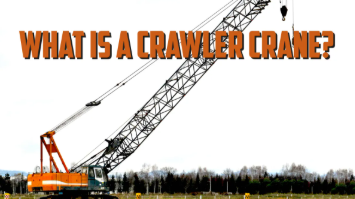
That is where crawler crane hire can be useful. Crawler cranes, especially compact mini crawler cranes, are often chosen when the site needs careful movement, lower footprint, and controlled lifting in places where larger equipment may struggle.
Limited Access Needs Careful Crane Selection
A limited-access site is not always obvious at first. A driveway may look wide enough until the crew checks turning room. A doorway may allow entry, but not setup. A rooftop may suit the load, but not the pressure of heavier lifting equipment. These details shape the crane choice.
Crawler cranes can help because their design supports compact movement and controlled positioning. Mini crawler cranes, often called spider cranes, are especially useful in areas where standard mobile cranes may not fit or may create too much site disruption.
They can suit jobs such as:
- Plant room lifts
- Rooftop equipment placement
- Air conditioning installation
- Stair and glass handling
- Tight residential projects
- Civil work in confined areas
- Indoor material movement
The point is not just that the crane is smaller. It is that it can work closer to the lift point, often in spaces where other equipment would force a more complicated plan.
A limited-access lift should begin with photos, measurements, and a route check. The crew needs to know how the crane will enter, where it will set up, and whether anything blocks the path. Guesswork is the enemy of tight-access lifting.
Ground Conditions Can Make or Break the Plan
Ground support is one of the most important parts of crane planning. A crane may be compact, but it still applies force to the surface below it. If that surface is weak, uneven, suspended, wet, sloped, or unfinished, the lift needs careful review.
Crawler cranes can be useful where ground conditions are part of the challenge. Their tracked base can help with movement and load distribution in certain settings. Still, that does not remove the need for proper assessment.
Before using a crawler crane, teams should check:
- Surface type and condition
- Load path from entry to setup point
- Any suspended slabs or rooftop areas
- Slopes, ramps, or level changes
- Soft ground, trenches, or voids
- Need for mats or surface protection
- Space for stabilisers or outriggers where required
The lift itself also changes the ground demand. A light load at a short radius may be simple. A heavier load with a longer reach may need a more cautious setup.
Weather should not be ignored. Rain can soften ground, make surfaces slippery, or change access conditions. On outdoor jobs, yesterday’s safe route may not be suitable today.
A good crane crew will not treat ground checks as a formality. They know the lift depends on what sits underneath the machine.
Crawler Cranes Help With Controlled Placement
Restricted-access jobs often require more than lifting strength. They need precision. A load may have to pass through a tight opening, sit on a prepared base, fit between walls, or land near existing services. In those jobs, rough handling creates risk.
Crawler cranes are useful because they can help crews place loads carefully in confined areas. This matters in buildings, mechanical rooms, plant spaces, residential sites, and maintenance areas where the surrounding surfaces may already be finished or fragile.
Controlled placement is valuable when working with:
- HVAC units
- Glass panels
- Steel sections
- Machinery parts
- Stair sections
- Building materials
- Maintenance equipment
The crew still needs the right lifting gear. Slings, spreader beams, lifting points, tag lines, and spotters may all be part of the plan. The crane is only one piece of the system.
Communication becomes especially important in tight areas. The operator may not have a clear view of every point. A dogger, rigger, or spotter may need to guide the movement with clear signals.
When done well, crawler crane work can make a difficult lift feel controlled. The site does not need to be torn apart to suit the machine. The machine is chosen to suit the site.
Conclusion
Crawler cranes are useful where space, ground conditions, or access make larger lifting equipment less practical. They can support tight-access jobs, careful placement, rooftop work, plant maintenance, and confined-area lifting.
The best results come from early checks. Access, surface strength, lift radius, load type, and communication all need attention. When those details are handled properly, crawler cranes can give project teams a safer and more practical way to lift in difficult places.