The Role of Automation in Modern Android to iPhone Data Transfer Tools
Switching from Android to iPhone has become increasingly common as users upgrade devices or move between mobile ecosystems. However, transferring large volumes of personal and professional data between two different operating systems can be challenging. Modern automation technologies have transformed how this migration process works, making Android to iPhone data transfer faster, safer, and more efficient.
Businesses, retailers, and service centers that handle high volumes of device upgrades rely on automated tools to streamline this process. Integrated platforms such as device lifecycle management solutions combine diagnostics, secure data handling, and migration tools into a single system that reduces manual intervention and minimizes operational delays.
Automation has therefore become a central component of modern Android to iPhone data transfer tools, helping organizations deliver seamless device transitions while protecting user data.
Understanding Android to iPhone Data Transfer Challenges
Transferring information between Android and iOS devices is more complex than moving data between devices running the same operating system. Differences in file structures, application ecosystems, and security frameworks create compatibility challenges during migration.
Users typically want to transfer essential content such as contacts, photos, messages, call logs, and documents when switching smartphones. Modern migration tools support these file types and ensure that data integrity remains intact throughout the process.
Without automation, the transfer process may require manual backups, third-party applications, or cloud storage solutions. Automated tools simplify these steps by providing guided workflows that handle compatibility issues automatically.
The Rise of Automated Mobile Migration Platforms
Automation is transforming mobile device management across many industries. Retailers, refurbishers, and enterprise IT departments increasingly depend on integrated platforms that automate device inspection, data migration, and reporting.
Solutions designed for device lifecycle management combine multiple processes into a single workflow. These systems support diagnostics, secure wiping, device grading, and Android to iPhone data transfer from one interface.
By automating repetitive tasks, organizations reduce human error and increase efficiency when handling hundreds or even thousands of devices during upgrade programs or trade-in operations.
How Automation Improves Android to iPhone Data Transfer
Automation enhances the migration process in several ways. Modern tools use intelligent algorithms and optimized workflows to simplify cross-platform transfers.
Faster Migration Through Automated Protocols
Automated transfer protocols significantly reduce the time required to migrate data between devices. Instead of relying on manual backups or slow wireless transfers, modern systems optimize data packets and prioritize large files efficiently.
These automated workflows enable faster device switching, especially when transferring photos, videos, and other large media files.
Secure Peer-to-Peer Transfers
Modern Android to iPhone data transfer tools often use direct device-to-device connections. This method keeps information within the local network and prevents data exposure to external servers.
Automation ensures that encryption and security protocols are applied throughout the transfer process, protecting sensitive information during migration.
Guided Transfer Processes
Many automated solutions provide step-by-step migration workflows that guide users through the process. These guided systems simplify device pairing, permission management, and file selection.
Even users with limited technical knowledge can complete Android to iPhone data transfer successfully when automated tools handle the complex technical steps behind the scenes.
Role of Diagnostic Tool for Mobile Phones in Automated Systems
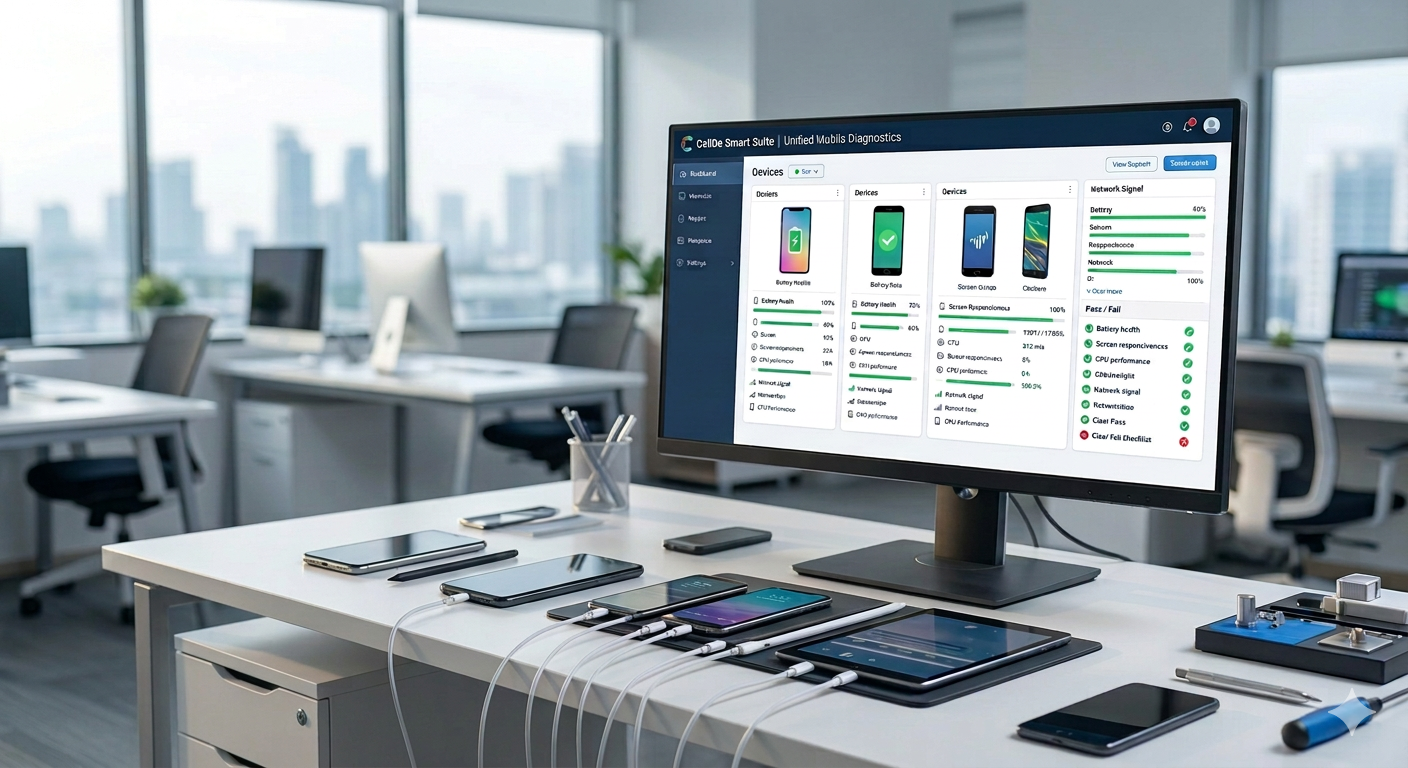
Automated migration platforms often include a diagnostic tool for mobile phones to assess device performance before and after data transfer. Diagnostics help ensure that both devices are functioning correctly and capable of completing the migration process without interruptions.
Retailers and refurbishers frequently rely on these tools when evaluating devices during trade-in programs. Automated diagnostics generate reports that help technicians understand device condition, identify hardware issues, and verify system compatibility.
Automated Device Health Checks
A diagnostic tool for mobile phones can automatically evaluate hardware components such as battery performance, sensors, connectivity modules, and display functionality. These automated tests run quickly and provide technicians with clear insights into the device’s operational status before initiating data migration.
Accurate Device Grading and Reporting
Automated diagnostics provide standardized grading reports that simplify device evaluation for resale or refurbishment programs. These reports help businesses maintain consistency when processing large volumes of smartphones, while also ensuring quality standards are met across different locations.
Integration with Transfer Workflows
A diagnostic tool for mobile phones often works alongside Android to iPhone data transfer features within the same platform. This integration allows technicians to check device health, perform the migration process, and prepare devices for resale without switching between multiple tools or systems.
See also: Advanced Dehumidification Technologies for Industrial Efficiency
Automation in Retail Device Upgrade Programs
Mobile retailers frequently assist customers who are upgrading from Android smartphones to iPhones. Automated migration systems play an important role in creating a smooth in-store experience.
Retail employees can initiate Android to iPhone data transfer quickly while the system handles device pairing, data migration, and verification automatically. Customers leave the store with fully configured devices and their previous data already transferred.
Automation also allows retailers to move the old device directly into inspection and refurbishment workflows after migration is complete.
Improving Customer Experience
Customers expect fast and reliable device upgrades when purchasing new smartphones. Automated transfer tools minimize waiting times and reduce technical complications during migration. This ensures users receive their new devices ready to use with all important data transferred.
Reducing Technical Support Workloads
Automation reduces the number of manual troubleshooting steps required during device migration. Guided workflows eliminate many common errors related to connectivity, permissions, and file compatibility, allowing staff to focus more on assisting customers rather than solving technical issues.
Data Security and Compliance in Automated Transfers
Security is a critical factor when handling personal data during device upgrades. Smartphones store sensitive information including financial data, login credentials, personal photos, and communication records.
Automated Android to iPhone data transfer platforms use encryption and secure protocols to protect this information throughout the migration process. Many systems ensure that data moves directly between devices without external storage or cloud uploads.
Automation also supports compliance with privacy regulations by maintaining secure workflows and generating reports documenting the transfer process.
Benefits of Automation for Businesses
Organizations that process large volumes of mobile devices gain several advantages from automated migration platforms.
Automation improves operational efficiency by reducing manual labor and simplifying complex technical procedures. Staff members can manage device transfers quickly without requiring advanced technical knowledge.
Automated tools also increase accuracy and consistency across workflows. Diagnostics, migration processes, and reporting all follow standardized procedures that minimize errors.
Additionally, integrated platforms help businesses manage device lifecycle processes more effectively, from diagnostics and data transfer to refurbishment and resale preparation.
The Future of Automated Mobile Data Transfer
As smartphone technology continues to evolve, automation will play an even greater role in mobile data migration. Artificial intelligence and machine learning technologies may soon enhance automated tools with predictive diagnostics and adaptive transfer protocols.
Future Android to iPhone data transfer platforms may also integrate more deeply with enterprise device management systems, allowing organizations to control migration workflows across multiple locations.
Automation will continue to simplify complex device transitions while improving security, speed, and reliability.
Conclusion
The increasing demand for seamless device upgrades has made automation a vital component of modern mobile migration solutions. Advanced platforms now combine diagnostics, data migration, and lifecycle management into a single automated workflow.
Android to iPhone data transfer tools powered by automation allow individuals and businesses to move data quickly, securely, and without technical complexity. Integrated features such as a diagnostic tool for mobile phones further improve reliability by ensuring devices are ready for migration.
As automation technologies continue to advance, organizations will benefit from faster device processing, improved security standards, and more efficient mobile device management systems.