Integrated X-Ray Source Explained: A Modern Approach to Reliable Imaging
Modern industries rely heavily on imaging technologies to ensure product integrity, safety, and compliance with strict quality standards. From advanced manufacturing to aerospace engineering and electronics production, the ability to inspect internal structures without damaging components has become a cornerstone of modern quality control. X-ray imaging has long played a crucial role in this process, offering unmatched visibility into materials and assemblies that cannot be examined through conventional inspection methods. However, traditional X-ray systems often required multiple standalone components, complex configurations, and extensive calibration procedures. In response, the industry has increasingly adopted the integrated x-ray source, a system designed to combine essential components into a unified architecture that simplifies operation while improving performance.
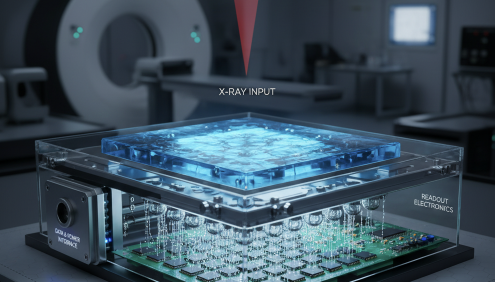
By integrating power generation, tube technology, and control electronics into a single platform, these systems deliver greater stability, reduced system complexity, and improved imaging consistency.
Advancing Imaging Efficiency Through System Integration
Modern industrial imaging is moving toward smarter and more compact system architectures. Integrating core imaging components into a unified platform allows organizations to streamline inspection workflows while improving operational efficiency and overall system performance.
- Unified Architecture for Improved Performance: Modern imaging platforms consolidate critical components into a single design, allowing for optimized communication between subsystems. This structural integration eliminates many of the inefficiencies associated with external connections, reducing signal loss and improving overall imaging consistency.
- Compact Design for Space-Efficient Installations: Industrial facilities often face limitations in space when integrating inspection technologies within production lines. Integrated systems provide a compact footprint that simplifies installation and allows organizations to incorporate imaging capabilities without extensive infrastructure changes.
- Simplified System Management and Maintenance: Maintenance complexity is significantly reduced when multiple components are designed to operate as a cohesive unit. Technicians can perform diagnostics and servicing more efficiently because the system architecture is standardized and internally optimized.
Enhancing Image Quality Through Stable Power Delivery
High-precision imaging depends heavily on stable and well-regulated power systems. Advanced X-ray platforms are engineered to deliver consistent energy output, ensuring that every image produced maintains clarity, accuracy, and diagnostic reliability.
- Precision Voltage Regulation: Consistent voltage supply is essential for generating clear and accurate X-ray images. Integrated power systems ensure that voltage levels remain stable during operation, preventing fluctuations that could distort imaging results. This precise regulation supports high-resolution imaging and accurate defect detection.
- Optimized Energy Distribution: Advanced power management systems distribute energy efficiently across the imaging components. This optimization ensures that the X-ray tube operates within ideal parameters, producing stable radiation output while maintaining energy efficiency. Reliable energy delivery contributes directly to consistent imaging results and improved inspection accuracy.
- Reduced Electrical Interference: Industrial environments often contain numerous electronic systems that can create interference affecting imaging performance. Integrated systems are designed with shielding and internal configuration strategies that minimize electrical noise. By incorporating power management directly into the system architecture, the integrated X-ray source helps maintain image clarity even in demanding operational environments.
Improving Reliability for Continuous Industrial Operations
Industrial inspection environments demand systems that can operate continuously without compromising performance. Reliable imaging technology must therefore be engineered to withstand long operational cycles while maintaining consistent imaging stability.
- Engineered for Long-Term Stability: Industrial inspection systems must perform reliably over extended operational periods. Integrated imaging platforms are engineered with durability in mind, using optimized cooling mechanisms and robust component design to maintain consistent performance over time.
- Reduced Failure Points in System Design: Traditional systems with multiple external components often introduce additional connection points that can fail during operation. Integrated architectures significantly reduce these vulnerabilities by consolidating essential functions into a single platform. Fewer external interfaces result in improved system stability and lower maintenance requirements.
- Consistent Output for Quality-Critical Applications: Industries such as aerospace, electronics, and automotive manufacturing require dependable imaging systems that produce consistent results. Integrated imaging technologies support this need by ensuring that every inspection cycle delivers stable radiation output and precise imaging accuracy.
Supporting Advanced Industrial Inspection Applications
As industries adopt increasingly complex manufacturing processes, inspection technologies must evolve to match these advanced requirements. Modern X-ray systems play a vital role in supporting detailed analysis across multiple high-precision industrial sectors.
- Electronics and Semiconductor Inspection: Modern electronics contain densely packed components that require precise inspection to detect internal defects. Integrated imaging systems provide the resolution and stability needed to analyze complex assemblies without disrupting delicate structures.
- Automotive Component Evaluation: Manufacturers rely on imaging technologies to verify the structural integrity of engine parts, weld joints, and safety components. Integrated systems enable efficient inspection processes that help maintain strict quality control standards within automotive production.
- Aerospace and Material Analysis: Aerospace engineering demands exceptional reliability and structural accuracy. X-ray imaging systems play a critical role in identifying internal flaws within high-performance materials and assemblies. The integrated X-ray source enables consistent imaging results that support rigorous safety and performance standards across aerospace applications.
See also: How Tattoo Aftercare Ointments Support Healing and Skin Health
Enabling the Future of Precision Imaging Technology
The future of industrial inspection is closely tied to technological integration, automation, and intelligent data analysis. Emerging imaging platforms are designed not only to capture detailed images but also to support smarter and more connected inspection ecosystems.
- Integration with Automated Inspection Systems: As industrial automation continues to expand, imaging technologies must integrate seamlessly with robotic systems and automated inspection lines. Integrated X-ray systems are designed to support digital interfaces and data integration, allowing organizations to incorporate imaging into advanced production workflows.
- Data-Driven Quality Control: Modern inspection technologies increasingly rely on data analytics to monitor production quality and detect emerging issues. Integrated imaging platforms provide reliable and repeatable imaging data, enabling more accurate analysis and long-term quality tracking.
- Scalable Solutions for Evolving Industries: Industrial sectors continue to evolve with new materials, complex manufacturing processes, and higher quality expectations. Integrated imaging technologies offer scalable solutions that can adapt to changing inspection requirements while maintaining consistent reliability and performance.
Conclusion
Reliable imaging systems are essential for industries that depend on precision inspection and strict quality assurance standards. The transition from traditional modular systems to integrated architectures represents a significant advancement in industrial imaging technology. By combining critical components into a unified structure, integrated systems simplify installation, reduce maintenance complexity, and enhance operational stability.
Organizations seeking advanced imaging technologies and innovative inspection solutions can explore specialized systems and expertise available through VJ X-Ray, where advanced imaging systems, including reliable high-voltage generator X-Ray technology, continue to support the future of precision industrial inspection.