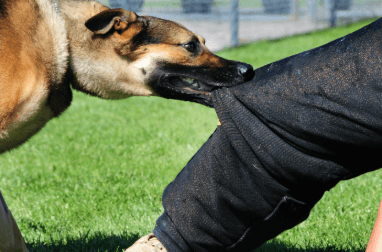
How to File a Dog Bite Claim and Secure Full Compensation
Dog bite injuries remain a major category of personal injury claims, with about 4.5 million incidents occurring each year and roughly 885000 people requiring medical treatment for injuries that range from puncture wounds to severe tissue damage. Emergency departments handle close to 1000 visits per day related to animal attacks, while fatalities are estimated between 20 and 30 annually. These incidents often lead to complications such as infections, nerve damage, and permanent scarring, especially when bites are deep or untreated. Children and individuals entering residential properties for work are among the most frequently affected groups, showing how quickly everyday encounters can escalate into serious injury situations that require medical care and legal evaluation.
Filing a dog bite claim depends heavily on proving negligence, which involves showing that the owner failed to properly restrain or control the animal under foreseeable conditions. Victims are typically advised to gather medical records, photographs, and witness statements to establish both liability and the extent of harm suffered. Legal guidance becomes especially important when dealing with insurance disputes or contested responsibility. Working with a dog bite claims lawyer in Ellijay can help ensure that medical expenses, emotional distress, and long-term impacts are properly valued. Early legal action often strengthens the claim and improves the chances of securing fair compensation.
Seek Immediate Medical Attention
Health should always be prioritized. Seek medical attention immediately to ensure proper healing. Additionally, by going to the doctor, you can document your injuries to support your claim later. Medical records are not only an important part of a claim but also act as evidence. Wound severity can be shown in detailed reports from doctors or clinics. Injury photos build a strong case. Quickly seeking medical care indicates to insurers and courts that the injuries were serious.
Report the Incident to Authorities
Following a dog bite, victims must call local authorities. When you file an official report, it helps you properly document the incident. Either animal control or law enforcement will respond to the situation and thoroughly investigate the matter. Such reports typically feature quotes from witnesses and owners. Authorities confirm this by claiming the event actually took place. Such records help lawyers combat disputes from responsible parties.
Gather Essential Evidence
Proof is paramount to winning claims. Victims must get as much information as they can. Visual evidence in the form of photographs of the scene and injuries is necessary. Contact information for witnesses assists with corroborating accounts of the event. If you have the opportunity, get the dog owner’s insurance information. Copies of medical bills, treatment records, and police or animal control reports only enhance the case. Having well-organized documentation makes the claims process easier.
Know Your Rights and Applicable Timelines
Every state has specific regulations when it comes to dog bite liability. Victims must be aware of their rights and claim deadlines. Failing to meet these deadlines means you may lose the chance to seek compensation. In many jurisdictions, there are strict limits on how long after an incident a claim can be brought. Awareness of these time constraints is imperative for a successful conclusion. Although general local regulations may help, a closer examination of the process helps ensure all expectations are met.
Consult a Legal Professional
Legal counsel can prove to be a game-changer. They can walk you through options and estimate how much a claim may be worth. They are familiar with negotiating with insurers and drafting documentation. Having an expert help you takes away the stress and prevents you from making expensive mistakes. They also make sure that you meet your deadlines and submit documents on time.
File the Claim Promptly
Submitting a claim promptly is critical. Prompt filing indicates the seriousness of the incident and helps preserve evidence. Attach supporting documents and evidence such as reports, images, proof of wound treatment, etc. Insurers often require submissions via certain forms and in specific formats, which is why following rules is essential. If an application is complete, the paperwork is usually reviewed quickly, resulting in speedier and better results.
Negotiate With Insurers
Insurance companies often attempt to limit payouts. Victims who are prepared and organized can respond with confidence. Detailed evidence supports claims for fair compensation. Legal professionals negotiate and offer guidance on claim acceptance. Don’t take the first offer unless it covers every expense or loss. Consider future medical needs and the long-term effects of the dog bite, especially if it was severe. By negotiating carefully, the chances of securing full compensation can be higher.
Consider Settlement or Legal Action
Insurers may not offer an adequate settlement. That means filing a lawsuit may be necessary. Lawyers build a strong case for the court. Settling out of court can lead to quicker resolution in many cases. Victims need to balance the risks and rewards of both approaches. Consult your lawyer before making a decision.
Conclusion
A successful dog bite claim requires preparation and timeliness. The steps mentioned in this post can help victims protect their legal rights and obtain the compensation they deserve. Proper documentation and advice from professionals can lead to better outcomes. Both physical and emotional healing can begin when the legal claim brings victims the financial support required to move forward.