How Third-Party Lawsuits Can Add to Your Workers’ Comp
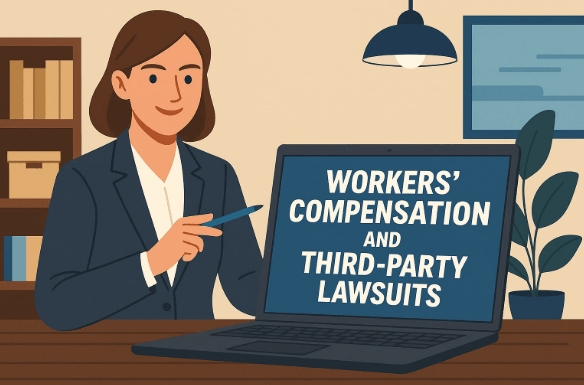
Workers’ compensation often looks simple from the outside. A worker gets hurt, treatment begins, wage benefits start, and the file moves through a set process. Serious injuries rarely stay that neat. When another company, driver, contractor, or manufacturer may share fault, a second case can arise in addition to the comp claim. That added track can affect medical proof, payment timing, lien rights, and the final financial burden associated with a single incident.
Why Another Claim Appears
A work injury can involve more than the employer’s insurance. If a delivery driver causes a crash or a machine guard fails, outside liability may arise. In that setting, a Charlie Therman workers’ compensation lawyer can help explain causation, benefit offsets, and record development, because a third-party case can change how treatment, wage loss, and settlement values are measured.
Two Systems, One Injury
Workers’ compensation usually pays for medical care and a portion of lost wages without requiring proof of fault. Civil litigation asks a different question. That lawsuit examines whether a nonemployer caused harm through careless conduct, defective equipment, or unsafe premises. If money comes from that case, the comp carrier may seek repayment for amounts already issued. That right can alter strategy on both sides.
Costs Beyond Treatment
Medical spending often rises once a civil case begins. Physicians may be asked to provide narrative reports, sworn testimony, and detailed opinions on the mechanism of injury. Those tasks fall outside routine office care. Record retrieval, imaging reproduction, and exhibit preparation also add expense. When surgeons, vocational specialists, or biomechanical experts enter the file, the total amount connected to the claim can grow quickly.
Lost Time Grows
Recovery periods may lengthen while two claims move at once. Extra evaluations, defense examinations, and scheduling conflicts can interrupt a steady return-to-work plan. Some workers remain off duty longer because the restrictions need to be reviewed repeatedly. During that period, wage benefits may continue under state law. An extended absence can raise reserves, affect experience ratings, and increase pressure on employers at renewal.
Liens Change Numbers
Liens often drive the hardest financial disputes. After paying benefits, the carrier may place a lien against recovery from the outside defendant. Each state handles notice, cost sharing, and reductions a little differently. A weak agreement can result in money going uncollected. Close tracking is essential because medical charges, wage loss, and future exposure must be carefully separated before any final distribution occurs.
Evidence Carries Over
Facts developed for one case often shape the other. Photographs, witness statements, maintenance records, and vehicle data may support both files simultaneously. Still, shared evidence can create friction. A position that helps in civil court may complicate causation inside the comp matter. Early investigation and a clean timeline reduce the chance of those conflicts taking hold.
Common High-Risk Settings
Certain incidents are more likely to invite third-party claims than others. Construction falls may involve site owners, general contractors, or scaffold suppliers. Road collisions can point to negligent motorists or commercial fleet operators. Factory trauma may raise product liability questions tied to guards, switches, or warnings. These cases often involve severe orthopedic damage, nerve injury, or prolonged rehabilitation, which raises overall claim value.
Settlement Gets Tighter
Resolution becomes harder when several payers have a stake in the outcome. The injured worker may want closure and reliable access to treatment. The carrier may focus on future credit and reimbursement. A civil defendant usually wants broad release language and final numbers. Unpaid providers, case expenses, and government interests can also affect the math. Poor drafting can reopen conflict after signing.
Early Records Matter
Strong documentation helps from the first day. Employers should preserve machine service history, vendor agreements, delivery logs, and site control records after any serious event. Prompt reporting can protect video footage, identify witnesses, and secure equipment for inspection. That effort supports more than litigation. It can improve reserve accuracy, sharpen safety planning, and limit repeat losses during later policy periods.
Coordination Helps Everyone
Workers benefit when the story of the injury stays consistent across treatment and legal files. Clinical notes should reflect how the event occurred and the symptoms that followed. Work restrictions need regular updates based on function, pain pattern, and healing progress. Mixed messages can delay benefits or weaken settlement value. A clear chronology helps doctors, lawyers, and claims staff assess exposure fairly.
Conclusion
Third-party lawsuits do not replace workers’ compensation. They run alongside it, and that second track can increase costs, delays, and legal strain for everyone involved. What begins as a standard injury file may become a wider dispute involving liens, expert testimony, and several insurers. Careful fact gathering, accurate medical records, and coordinated claim handling can reduce avoidable loss while protecting treatment access and financial stability.