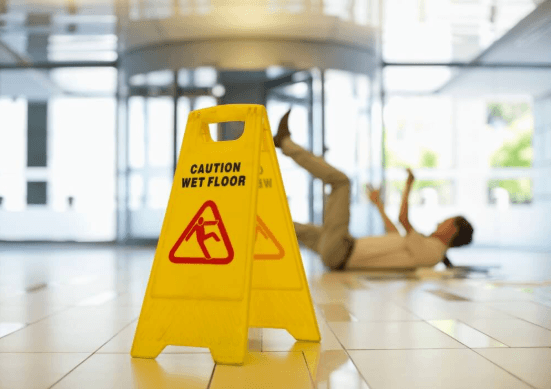
How Slip-and-Fall Victims Prove Negligence in Courts
Slip-and-fall cases are built on evidence, not assumptions. Courts look for a clear link between unsafe property conditions and documented injury. A victim must show duty, notice, breach, causation, and measurable harm. Minor details often carry serious weight, including floor texture, lighting, footwear, inspection timing, and witness memory. Careful records help judges and juries see whether the fall was preventable.
Early Legal Review
After receiving urgent medical care and filing an incident report, injured people may consult the Shulman and Hill law firm to assess notice issues, filing deadlines, and evidence gaps. Prompt legal review can secure camera footage, cleaning schedules, complaint records, and repair notes before a business overwrites video, rotates staff, or changes the site conditions that matter in court.
Duty of Care
Negligence starts with duty. Owners, tenants, and managers must keep property reasonably safe for lawful visitors. The standard depends on control, location, and expected use. A supermarket aisle, a rental stairwell, an office lobby, or a public sidewalk can trigger different obligations. Courts ask who had authority over the area and whether inspection routines matched ordinary risk.
The Hazard
A claim needs a defined dangerous condition. Common examples include spilled liquid, cracked pavement, loose carpeting, poor lighting, missing handrails, icy entries, and broken steps. General statements about a fall rarely carry enough force. Photos, measurements, footwear notes, maintenance files, and witness details help show the exact condition that caused the body to lose balance.
Notice Matters
Courts usually focus on what the responsible party knew. Actual notice exists when a complaint, employee report, or prior incident warned of danger. Constructive notice can exist when the condition has stayed long enough for a reasonable inspection to find it. A puddle formed seconds earlier may be difficult to prove. A damaged stair left unrepaired for weeks tells a different story.
Time Evidence
Timing often decides liability. Video can show how long a spill remained on the floor. Cleaning logs may reveal skipped inspections or long gaps between checks. Staff schedules can place employees in danger. Weather data may support claims of ice or rainwater. Courts weigh whether there was enough time to discover, warn about, or correct the condition.
Breach of Duty
A breach occurs when the response falls below the standard of reasonable care. The issue may be missed inspections, ignored complaints, delayed repairs, or poor warning placement. Courts compare those choices with what a careful property operator would have done. A warning sign is only effective if visitors can see it and if it addresses the actual danger.
Causation
Causation connects the unsafe condition to the injury. Medical records, imaging results, therapy notes, and symptom timelines help establish that link. Defense arguments often point to distraction, footwear, balance problems, or prior injuries. A consistent treatment history can answer those claims. Gaps in care may create doubt, especially when pain reports change without clinical explanation.
Damages
Proof of damages gives the case financial shape. Losses may include emergency treatment, surgery, medication, therapy, missed income, reduced work capacity, pain, and daily limits. Bills, wage records, employer letters, and physician opinions help quantify harm. A brief recovery journal may also show sleep disruption, reduced mobility, household strain, and limits on caregiving duties.
Witness Accounts
Witnesses can make a disputed event clearer. They may describe a wet floor, a loose mat, a broken railing, a missing cone, or an employee reaction. Neutral observers often carry strong weight because they lack a financial stake. Contact information should be gathered quickly. Memory fades, and later statements may lose details that were obvious near the date of the incident.
Comparative Fault
Property owners often argue that the injured person shares responsibility. They may claim the hazard was open, obvious, or avoidable. Courts may compare the conduct of both sides before assigning fault. Phone use, footwear, pace, lighting, and walking route can all matter. Still, visible danger does not excuse poor maintenance when prevention remains reasonable.
Expert Support
Expert input can clarify technical questions. Engineers may inspect stair height, railing strength, ramp slope, flooring traction, or lighting levels. Medical specialists may explain injury patterns, treatment needs, and future limitations. Safety professionals can discuss inspection practices. Their opinions help convert scattered facts into a structured explanation of how the property condition created risk.
Settlement Pressure
Well-documented claims often affect settlement value. Insurers review liability proof, treatment consistency, witness strength, medical cost, and trial risk. A clear timeline can encourage fair payment before a verdict’s delivery. Weak records give adjusters room to dispute fault or harm. Organized proof shows that the claim can withstand close review in court.
Conclusion
Slip-and-fall victims prove negligence by building a disciplined chain of evidence. The claim must show duty, hazard, notice, breach, causation, and damages. Courts rely on records more than memory, so early documentation is critical. Photos, reports, witness statements, medical files, and expert opinions can work together. With careful proof, victims can explain what happened, why it happened, and who should be held responsible.