How Accident Reconstruction Clarifies Fault in Truck Collisions
Truck collisions leave families searching for answers while evidence begins to change. Speed, braking, cargo balance, driver fatigue, and road geometry all matter. Accident reconstruction gives those details order, using measurements instead of guesswork. The work helps insurers, courts, and injured people see how the impact occurred. On our Long Island roads, that clarity can show whether one mistake or several failures caused serious harm.
Early Legal Review
Critical evidence can vanish within days, especially after commercial vehicles return to service. Electronic data, inspection files, dispatch records, and scene images need prompt protection. Injured people may consult truck accident lawyers in Long Island at Levine and Wiss to preserve records, coordinate expert review, and connect technical findings with legal responsibility after a severe crash.
What Reconstruction Studies
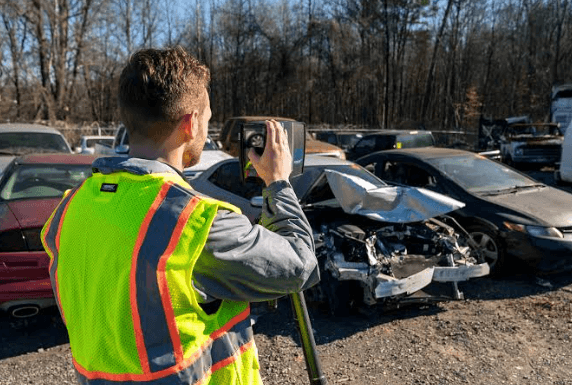
A reconstruction specialist reads the scene like a sequence, not a snapshot. Tire marks, gouges, debris spread, vehicle rest positions, and crush patterns all carry meaning. A long scrape can suggest late braking. A narrow debris cone may show the impact angle. Combined with roadway measurements, those clues help estimate direction, speed, and driver response before contact.
Data From the Vehicle
Commercial vehicles often carry electronic records that sharpen the analysis. Delay undermines the effort of reconstruction work. Tire marks tend to discolor under traffic. Damaged parts may be repaired or discarded. Event data may show speed, brake pressure, throttle position, steering input, and sudden deceleration. Driver logs can reveal long shifts or missed rest periods. Maintenance alerts may point to tire, brake, or suspension defects. Reliable data helps compare witness accounts with recorded behavior, reducing room for speculation.
Driver Conduct
Human choices remain central in many truck crash claims. Reconstruction can test whether the operator had enough time and distance to react. It may expose tailgating, unsafe lane changes, wide turns, or ignored signals. Fatigue can appear through delayed braking and inconsistent logs. Camera footage, phone records, and witness statements help confirm the sequence built from physical proof.
Carrier Responsibility
Responsibility may reach beyond the driver. A carrier can contribute through rushed scheduling, weak training, poor supervision, or ignored repair needs. Reconstruction findings often lead back to those management decisions. Brake failure may require a review of inspection files. A rollover can raise loading and route questions. Multiple parties can share fault when business practices increase the risk of a crash.
Cargo and Weight
Cargo placement affects steering, braking, and trailer stability. Excess weight lengthens stopping distance and strains mechanical systems. Loose freight can shift during a turn, pulling a trailer off balance. Reconstruction experts compare bills of lading, weight tickets, damage patterns, and road marks. That comparison can show whether loading errors contributed to loss of control or worsened impact forces.
Road and Weather Factors
Road conditions help explain the final seconds before impact. Short merge lanes, dim lighting, worn striping, standing water, or uneven pavement can reduce reaction time. Rain, fog, and ice affect traction and sight distance. These factors do not erase unsafe conduct. They show how the environment, vehicle movement, and driver decisions interacted during the collision.
Why Timing Matters
Delay weakens reconstruction work. Tire marks fade under traffic. Damaged parts may be replaced or thrown away. Nearby cameras can overwrite footage within days. Witness memory also becomes less precise. Early inspections preserve measurements, photographs, and mechanical evidence while details remain fresh. Preservation letters can request company records before routine deletion or alteration creates avoidable disputes.
Fault in Plain Terms
The best reconstruction report explains the fault without burying readers in formulas. Diagrams, speed ranges, impact angles, and time-distance charts turn technical findings into practical answers. Could the driver stop in time? Was the trailer loaded safely? Were brakes maintained as required? Clear explanations help judges, adjusters, and families evaluate responsibility with less confusion.
Conclusion
Accident reconstruction brings order to a truck collision that may first appear chaotic. It combines scene evidence, vehicle data, driver conduct, company records, cargo details, and road conditions into one documented account. That account can reveal operator error, carrier negligence, maintenance neglect, or loading failures. For injured people and their families, careful reconstruction supports fair decisions because facts, not assumptions, carry the claim.