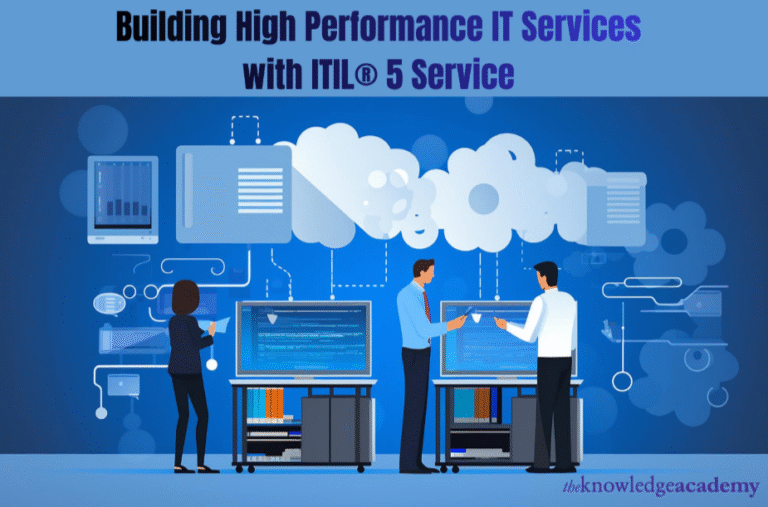
How Technology Is Changing the Way Businesses Operate
Technology has become the driving force behind modern business success. From automating routine tasks to improving customer communication and enabling data-driven decision-making, businesses today rely on technology more than ever before. Companies that embrace digital innovation are better equipped to improve efficiency, reduce costs, and stay competitive in a rapidly evolving marketplace.
But how exactly is technology transforming the way businesses operate? Let’s answer some of the most important questions.
Why Is Technology So Important for Modern Businesses?
Technology helps businesses simplify complex processes, improve communication, and respond more quickly to changing customer needs. It allows organizations to work smarter instead of harder while creating opportunities for innovation and growth.
Some of the biggest advantages include:
- Increased productivity
- Better collaboration
- Faster decision-making
- Reduced operational costs
- Improved customer satisfaction
Regardless of industry, technology has become an essential part of everyday business operations.
How Has Technology Improved Daily Business Operations?
Many tasks that once required hours of manual work can now be completed within minutes using digital tools.
Businesses commonly use technology for:
- Managing customer relationships
- Processing invoices
- Tracking inventory
- Scheduling appointments
- Managing projects
- Communicating with remote teams
These improvements allow employees to spend more time focusing on strategy, creativity, and customer service.
Entrepreneurs looking to stay informed about business innovation, leadership, and industry developments can also explore Pressmagazines, which regularly features articles covering entrepreneurship and emerging business trends.
What Role Does Artificial Intelligence Play in Business?
Artificial Intelligence (AI) is changing the way companies make decisions and interact with customers.
Businesses use AI to:
- Answer customer inquiries through chatbots
- Analyze customer behavior
- Predict market trends
- Personalize marketing campaigns
- Automate repetitive administrative tasks
As AI technology continues to improve, businesses can expect even greater efficiency and more accurate decision-making.
How Does Cloud Computing Benefit Businesses?
Cloud technology has transformed how companies store information and collaborate.
Benefits of cloud computing include:
- Secure data storage
- Remote access to files
- Easier collaboration between teams
- Automatic software updates
- Reduced IT infrastructure costs
Cloud-based systems allow businesses to operate more flexibly while supporting hybrid and remote work environments.
Can Technology Improve Customer Experience?
Absolutely.
Modern customers expect businesses to provide fast, convenient, and personalized experiences. Technology makes this possible through digital communication tools and intelligent automation.
Examples include:
- Live chat support
- AI-powered customer service
- Mobile applications
- Online appointment booking
- Customer Relationship Management (CRM) systems
Businesses that leverage technology to improve customer experiences often build stronger customer loyalty and increase retention.
Professionals interested in entrepreneurship and digital branding may also find the profile of Ramneek Sidhu Entrepreneur Instagram useful for understanding how a strong online presence can contribute to long-term business growth.
How Is Technology Changing Marketing Strategies?
Traditional advertising has evolved into highly targeted digital marketing.
Today’s businesses use technology to improve marketing through:
- Search Engine Optimization (SEO)
- Email marketing automation
- Social media management
- Data analytics
- Video marketing
- Online advertising
These tools help businesses reach the right audience while measuring campaign performance more accurately.
What Challenges Come with Business Technology?
Although technology offers many benefits, businesses must also address several challenges.
Common concerns include:
- Cybersecurity threats
- Data privacy regulations
- Employee training requirements
- Software integration issues
- Rapid technological change
Organizations that invest in cybersecurity and continuous learning are better prepared to manage these challenges.
How Can Small Businesses Benefit from Technology?
Technology has made it possible for small businesses to compete with much larger organizations.
Affordable digital tools help small businesses:
- Automate repetitive tasks
- Sell products online
- Reach global customers
- Improve customer service
- Analyze business performance
- Increase operational efficiency
With the right technology strategy, even startups can achieve sustainable growth.
See also: Advanced Dehumidification Technologies for Industrial Efficiency
What Skills Should Business Leaders Develop in the Digital Age?
Technology alone cannot guarantee success. Business leaders must also develop the skills needed to manage digital transformation effectively.
Important skills include:
- Strategic thinking
- Data analysis
- Digital communication
- Leadership
- Adaptability
- Continuous learning
Readers interested in leadership and professional development may also enjoy learning about Nandan Maniratnam, whose professional journey demonstrates the importance of innovation, adaptability, and strategic decision-making in today’s business environment.
What Does the Future of Business Technology Look Like?
Technology will continue reshaping businesses over the coming years. Emerging innovations such as artificial intelligence, machine learning, blockchain, the Internet of Things (IoT), and advanced automation will create new opportunities for organizations willing to adapt.
Businesses that remain open to innovation, invest in employee development, and continuously evaluate new technologies will be better positioned to remain competitive in an increasingly digital economy.
Key Takeaways
Technology is transforming every aspect of modern business, from operations and marketing to customer service and decision-making. Companies that adopt digital tools, embrace innovation, and prepare their workforce for technological change can improve efficiency, strengthen customer relationships, and drive long-term growth.
Rather than viewing technology as an expense, successful businesses see it as a strategic investment that supports innovation and sustainable success.
Conclusion
Technology is no longer optional for businesses that want to thrive in today’s competitive marketplace. It enables organizations to streamline operations, improve customer experiences, enhance marketing efforts, and make smarter decisions based on real-time data.
As technology continues to evolve, businesses that remain flexible, invest in digital transformation, and embrace continuous improvement will be better equipped to navigate future challenges and seize new opportunities. The companies that adapt today will be the leaders of tomorrow.