Why Preserving Evidence Matters Before Insurance Claims Begin
Accidents leave people sore, shaken, and unsure what should happen next. Still, the first few hours can shape a claim long before paperwork appears. Skid marks fade, bruises change color, damaged property gets repaired, and witnesses forget exact details. Preserved material helps connect injuries with the event that caused them. It also gives injured people a clearer record when questions about fault, treatment, and financial loss begin.
Early Proof Sets the Record
Before claim forms arrive, early documentation can separate fact from assumption. Photos, reports, witness names, receipts, and medical notes help explain what occurred. A Sugar Land personal injury lawyer from Lone Star Injury Attorneys may use that material to link physical harm, financial loss, and liability with fewer gaps during claim review.
Memories Change Quickly
Witness memory is fragile after stress, noise, and sudden impact. People may recall the main event but lose smaller facts within days. Lighting, speed, warnings, surface conditions, and timing can blur. Written notes made soon after injury protect those details. Contact information also matters because witnesses may move, change numbers, or become unavailable.
Photos Capture Conditions
Images preserve facts that later cleanup may erase. Wide photos show placement, distance, traffic flow, lighting, or nearby hazards. Close images capture bruising, torn clothing, broken equipment, and vehicle damage. Time-stamped pictures can answer later disputes about whether a condition existed before repairs, removal, or weather altered the scene.
Medical Records Create Links
Treatment records form the clinical bridge between injury and accident. Delayed care may let insurers argue that pain came from another source. Emergency notes, imaging results, therapy records, prescriptions, and specialist opinions all matter. Consistent documentation shows symptom progression, work limits, mobility loss, sleep disruption, and any need for future care.
Reports Add Neutral Detail
Police reports, incident forms, workplace records, and store documents can support later accounts. These materials may include names, diagrams, observations, or statements made near the event. A report does not settle every dispute, yet it anchors the timeline. Prompt reporting also reduces arguments about place, date, or basic occurrence.
Digital Evidence Can Vanish
Digital proof often has a short life. Dash camera clips, doorbell video, phone photos, messages, and surveillance footage may disappear quickly. Some systems overwrite files within days. Screenshots can preserve ride records, delivery logs, location history, and written exchanges. Video requests should be made early because routine storage policies may delete useful footage.
Property Damage Tells a Story
Damaged objects can show force, direction, and mechanism of injury. Vehicles, helmets, shoes, clothing, tools, or personal items may reveal details that reports miss. Repairs or disposal can erase that proof. Keeping broken items, photographing them first, and saving estimates can support the larger medical and factual record.
Bills Show Real Losses
Claim value depends on documented loss, not memory alone. Medical bills, pharmacy receipts, mileage logs, repair invoices, and wage records turn harm into numbers. Pay stubs and employer letters can show missed work. Household costs may count when injury limits child care, transportation, cleaning, meals, or routine maintenance.
Social Posts Create Risk
Public posts can be taken out of context. A smiling photo may be used to question pain, even if it captured one brief moment. Comments about blame, recovery, or activity levels can create avoidable disputes. Private records should be saved, while public sharing should stay limited during an active claim.
Insurers Review Gaps
Adjusters compare dates, statements, records, and claimed losses. Missing proof can make a valid claim harder to evaluate. Delayed treatment, absent photos, vague witness information, or lost receipts may invite doubt. Organized evidence reduces guesswork and shows a steady line from the accident through care, recovery, and financial strain.
Good Records Support Fair Value
A fair claim should reflect the full effect of an injury. That includes medical costs, lost wages, pain, reduced movement, sleep problems, and long-term limitations. Strong records show both visible harm and hidden strain. They also make settlement talks more grounded because each loss can be tied to dates, documents, and real events.
Preservation Starts Small
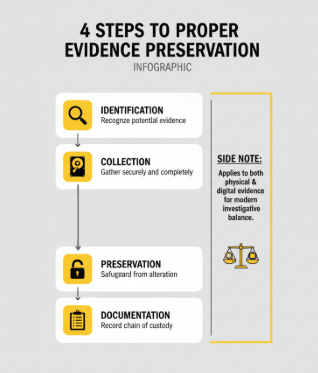
Evidence preservation does not require legal training. It starts with saving what is already available. Photos, names, reports, receipts, calendars, and notes can all matter. Keeping materials in one folder reduces stress later. The purpose is simple: protect facts before time, repair work, memory loss, or routine deletion weakens them.
Conclusion
Insurance claims begin with forms, but the strongest claims start earlier. Evidence gives shape to events that may otherwise become disputed, minimized, or unclear. It can protect injured people from rushed assumptions, low valuations, and a missing context. Photos, records, witness names, bills, and saved items each carry a distinct role. When those materials are preserved early, the path from injury to fair resolution becomes clearer.