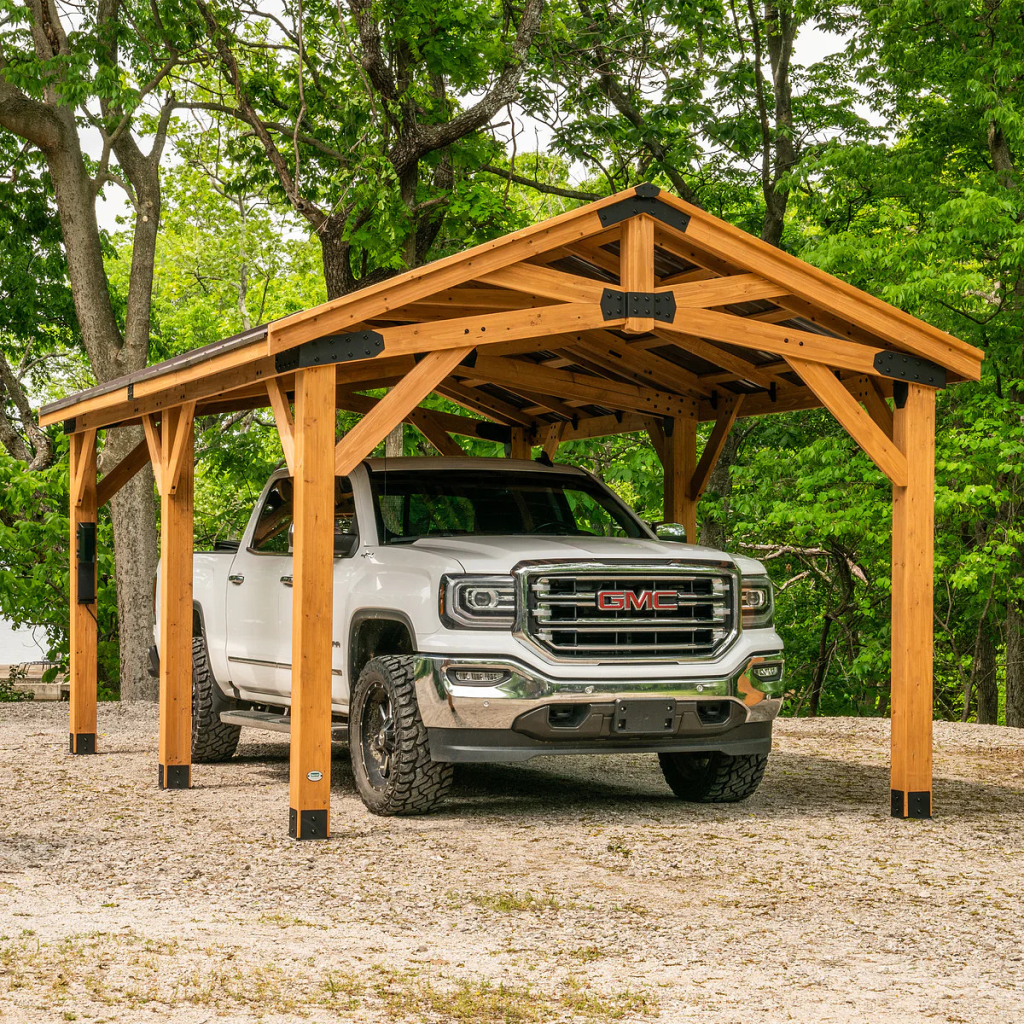
Carport Installation Made Easy: A Step-by-Step Guide for Homeowners
Installing a carport can add valuable covered space to your property, protect your vehicles from sun, rain, and snow, and even increase the overall value of your home. Whether you are installing a carport yourself or planning for professional help, understanding the process is essential for a successful and durable result.
This guide will walk you through step by step, with practical tips, safety suggestions, and planning advice so your project goes smoothly from start to finish. For expert assembly or installation support, professional services like those at carport installation can make the job even easier and stress free.
Getting Started: Planning Your Carport Project
Before you begin a carport installation project, careful planning makes all the difference. A well-planned project ensures your structure serves your needs and complies with local regulations.
First, choose the ideal location for your carport. Select a flat, level surface that provides enough space for the carport frame and proper clearance for your vehicles. High and free-drainage areas are best to avoid water pooling around the structure.
Another important step is to check local building codes and zoning rules. Many city or county jurisdictions require permits for structures installed on residential properties. Researching requirements early helps you avoid delays or fines later.
Additionally, think about what type of foundation you will use. Some carports can be installed directly on the ground using anchor systems, while others benefit from a concrete slab or gravel base for added stability and permanence.
Preparing the Site
Proper site preparation sets the foundation for a smooth carport installation. Clear the area of debris, rocks, vegetation, or obstacles that could interfere with the installation. A clean work area also improves safety for you and anyone helping with the build.
Next, make sure the surface is level. A level base prevents wobbling and structural issues once the carport frame is in place. You may need to grade the ground slightly or add a gravel pad or concrete slab if the surface is uneven.
Mark the footprint of your carport using chalk lines or stakes and string. This helps you visualize the final placement and ensures the frame will fit within the designated space. This layout process also verifies that you comply with any property setbacks or permit requirements.
Step-by-Step Carport Installation
Once the site is ready, you can begin the actual carport installation process. Most carport kits come with detailed instructions, but the general steps are similar across many models.
1. Organize Your Materials and Tools
Before assembling anything, unpack all parts and organize them. Check against the instruction list to make sure everything is included. Gathering all tools and hardware beforehand prevents delays once you get started.
2. Install the Foundation or Anchors
A strong foundation helps ensure your carport remains stable over time. Depending on your chosen surface, install concrete anchors, ground screws, or gravel anchors. Follow the kit’s instructions for proper anchor placement.
3. Erect the Vertical Posts
Begin by setting the vertical support posts in their designated positions. Use a level to make sure each post is perfectly upright before securing it. This step is essential for structural integrity and proper alignment later in the build.
4. Connect Horizontal Beams
Once the posts are in place, attach the horizontal beams that will support the roof. Use the provided fasteners and make sure each connection is tight and secure. This framework becomes the skeleton of your carport, so precision here is critical.
5. Add Roof Purlins and Panels
With the frame secure, install the roof purlins and panels. Start at one end and work your way across, ensuring overlapping panels are correctly aligned to shed water and provide weather resistance. This is a key step in creating a sturdy and protective top.
6. Secure All Connections
Go back through your structure and tighten all bolts, screws, and connectors. Re-check that posts are vertical and beams are level. This careful review helps ensure your carport stands strong once completed.
Safety Tips During Installation
Safety should be a priority throughout your carport installation project. Before starting, wear safety gear such as gloves and eye protection to guard against potential injuries from sharp edges or tools.
It is also important to be mindful of your surroundings. Position your workspace away from overhead power lines and keep children and pets clear of the installation area. These precautions reduce the chance of accidents or interference during the build.
Avoid working in extreme weather conditions, especially high winds, as unsecured panels or parts may shift and cause injury. Taking your time and following safety recommendations ensures the job is done without unnecessary risks.
Choosing Between DIY and Professional Installation
Many homeowners enjoy tackling carport installation as a DIY project. With the right tools and instructions, it can be an achievable task. However, certain situations may benefit from professional help, especially if you encounter difficult site conditions, complex permits, or larger structures.
Professional installers bring experience, tools, and efficiency to the project, helping ensure a secure and accurate installation. This can save you time and provide peace of mind that your carport will function reliably for years.
For homeowners who want expert assistance, services like professional carport assembly can handle the entire process, from site preparation to final inspection.
Tips for Long Term Care and Maintenance
Once your carport installation is complete, regular maintenance helps prolong its lifespan. Periodically check all fasteners and anchors to ensure they remain tight, especially after storms or high winds.
Inspect the roof panels for any signs of rust, damage, or loose edges, and apply rust-inhibiting paint or touch-ups when necessary. Keeping your structure clean and free of debris also prevents moisture buildup that can lead to corrosion.
Proper care ensures your carport continues to protect your vehicles and property for many years.
Conclusion
Carport installation can be a rewarding and practical home improvement project. With careful planning, site preparation, and step-by-step assembly, you can build a durable structure that meets your needs. Ensuring safety, compliance with local codes, and ongoing maintenance helps protect both your investment and your home environment.
Whether you choose a DIY approach or enlist professional help, understanding the process of carport installation prepares you for a successful and lasting result.