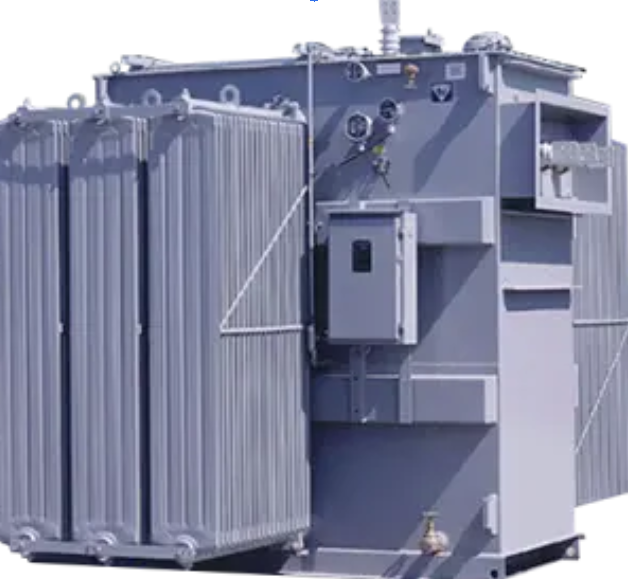
Why Small Businesses Prefer 15 kVA Transformers for Power Distribution
Small businesses rely on stable, efficient, and affordable electricity to run daily operations. Whether it is a retail store, workshop, clinic, or small manufacturing unit, reliable voltage and power quality directly impact productivity and equipment lifespan. A 15kva transformer is often the ideal choice for such setups because it balances capacity, cost, and operational efficiency without oversizing the electrical infrastructure.
Understanding the Power Needs of Small Businesses
Small commercial establishments typically operate with moderate electrical loads that include lighting, HVAC systems, computers, refrigeration, and light machinery. These loads are steady but not heavy enough to require large industrial transformers. A mid range transformer rating ensures efficient distribution without unnecessary energy losses or capital expenditure.
A 15 kVA unit provides adequate headroom for daily consumption while accommodating small load fluctuations. This makes it a practical solution for businesses that need dependable voltage regulation without investing in oversized equipment that remains underutilized most of the time.
Typical Load Profiles in Small Commercial Spaces
Different small business categories have predictable energy patterns. Retail stores draw consistent lighting and POS loads, offices depend on electronics and climate control, and small workshops operate intermittent motors or tools. Such usage rarely exceeds moderate power levels, making mid capacity transformers sufficient.
Because these loads are distributed and not continuously heavy, a 15 kVA transformer offers efficient utilization. It supports peak moments without strain while maintaining high performance during average demand periods. This balanced loading improves transformer lifespan and reduces operational inefficiencies.
Cost Efficiency and Investment Practicality
Budget constraints are a major factor in equipment selection for small businesses. Electrical infrastructure must deliver reliability without burdening finances. Mid sized transformers strike an optimal balance between upfront cost and long term value.
A transformer rated at 15 kVA is significantly less expensive than larger commercial units. It also avoids the inefficiencies associated with oversizing, such as higher no load losses and unnecessary installation expenses. Businesses can allocate resources to core operations rather than excess electrical capacity.
Lower Purchase and Installation Costs
The physical size and weight of a 15 kVA transformer are manageable compared to larger industrial models. This directly reduces logistics and installation costs. Smaller units often require simpler mounting structures, less foundation work, and minimal handling equipment.
Electrical panels, cabling, and protection systems also scale with transformer capacity. Choosing an appropriately sized unit prevents spending on oversized conductors or switchgear. This integrated cost advantage is particularly valuable for startups and growing enterprises.
Space Saving Design for Commercial Environments
Many small businesses operate in compact premises such as leased shops, office suites, or mixed use buildings. Electrical equipment must fit into limited utility areas without disrupting workflow or storage. Transformer footprint becomes a practical consideration in such environments.
A 15 kVA transformer typically has a compact form factor that fits easily into electrical rooms, basements, or service corners. Its moderate dimensions allow safe clearance and ventilation while conserving valuable floor space for business operations.
Ease of Placement and Integration
Compact transformers are easier to position near load centers, reducing cable runs and voltage drop. Shorter wiring improves efficiency and simplifies maintenance access. This proximity also enhances safety by minimizing exposed conductors and distribution complexity.
Small businesses benefit from plug and play style installation. Standard mounting options and straightforward connections reduce downtime during setup. This convenience is especially important in commercial locations where prolonged electrical work disrupts operations.
Adequate Capacity for Common Business Equipment
The power demand of most small enterprises falls well within the capability of a 15 kVA transformer. Typical loads include lighting circuits, computers, printers, refrigeration units, air conditioning, and light machinery. Combined demand rarely approaches industrial scale requirements.
A 15 kVA rating provides sufficient capacity to operate these systems simultaneously while maintaining voltage stability. It prevents overload risks without excessive idle capacity. This alignment between transformer rating and real world load ensures efficient energy distribution.
See also: WhatsApp Web and Telegram Download for Business Messaging
Handling Moderate Motor and HVAC Loads
Small workshops and service businesses often use motors, compressors, or HVAC systems that draw higher starting currents. A 15 kVA transformer can handle these transient surges without significant voltage drop or overheating. This protects equipment and maintains operational continuity.
Stable voltage during motor startup is critical for machinery longevity. Adequate transformer capacity prevents nuisance tripping and performance fluctuations. Businesses experience smoother equipment operation and reduced maintenance frequency as a result.
Energy Efficiency and Reduced Losses
Transformer efficiency depends on matching capacity with actual load. Oversized transformers experience higher no load losses because core energy consumption remains constant regardless of utilization. This wastes electricity and increases operating costs over time.
A 15 kVA transformer aligns closely with typical small business demand, ensuring higher load factor and better efficiency. Reduced idle losses translate into lower energy bills and improved sustainability. Efficient power distribution supports both financial and environmental goals.
Optimized Load Factor Benefits
When a transformer operates near its optimal load range, copper and core losses are balanced. This improves thermal performance and energy efficiency. For small businesses with consistent moderate demand, a 15 kVA unit often operates in this ideal range.
Improved load factor also extends insulation life and reduces heat stress. Equipment remains reliable over longer service periods. Businesses benefit from stable performance without frequent replacement or repair costs associated with mismatched transformer sizing.
Reliability and Voltage Stability
Small enterprises depend on uninterrupted electrical supply to serve customers and maintain productivity. Voltage fluctuations can damage electronics, reduce lighting quality, and disrupt sensitive equipment. A properly sized transformer contributes to stable distribution and reliable operation. To explore more, visit Meta Power Solutions.
A 15 kVA transformer maintains voltage within acceptable limits under normal load variations. Its capacity buffer absorbs minor demand changes without significant drop or rise. This stability protects appliances and ensures consistent operational performance.
Protection of Sensitive Electronics
Modern small businesses rely heavily on computers, communication devices, POS systems, and digital equipment. These systems are sensitive to voltage irregularities and power disturbances. Stable transformer output safeguards them from premature failure or data loss.
Consistent voltage also improves lighting quality and HVAC efficiency. Customers experience comfortable environments and reliable service. Such operational stability supports business reputation and customer satisfaction in competitive markets.
Scalability for Growing Businesses
Small businesses often expand gradually by adding equipment, staff, or services. Electrical infrastructure must accommodate moderate growth without immediate replacement. A 15 kVA transformer provides reasonable headroom for expansion while avoiding oversizing at startup stage.
This capacity margin allows businesses to add circuits, appliances, or light machinery as operations grow. Expansion occurs within the transformer’s capability before upgrades become necessary. This staged scalability aligns with organic business development.
Supporting Incremental Load Increases
Typical growth scenarios include adding computers, lighting, refrigeration, or small production equipment. These additions increase demand incrementally rather than dramatically. A 15 kVA transformer can absorb such increases without overload.
Businesses gain flexibility to evolve operations without frequent electrical redesign. This reduces disruption and capital expenditure during early growth phases. Electrical infrastructure remains aligned with real demand progression.
Safety and Compliance Advantages
Electrical safety is a critical requirement for commercial premises. Transformers must meet standards for insulation, grounding, temperature rise, and protection. Proper sizing contributes to safe operation by preventing overheating and excessive current flow.
A 15 kVA transformer operating within rated capacity maintains safe thermal limits. It reduces risks associated with overloaded systems such as insulation breakdown or fire hazards. Compliance with electrical codes becomes easier when equipment is appropriately rated.
Simplified Protection Coordination
Protection devices such as breakers and fuses must coordinate with transformer rating. Moderate capacity transformers simplify this coordination because fault currents remain manageable. Protection settings become straightforward and reliable.
Small businesses benefit from predictable electrical behavior during faults or surges. Equipment protection activates correctly without nuisance tripping. Safe operation supports regulatory compliance and reduces liability risks.
Maintenance and Longevity Benefits
Maintenance requirements depend partly on transformer loading and thermal stress. Oversized or undersized equipment experiences inefficient operation that can shorten lifespan. Correctly sized transformers maintain balanced temperature and insulation conditions.
A 15 kVA transformer serving typical small business loads operates within optimal thermal range. Reduced overheating slows insulation aging and preserves winding integrity. This contributes to long service life and dependable performance.
Lower Service Complexity
Moderate size transformers are easier to inspect, test, and maintain. Access panels, terminals, and cooling surfaces are manageable without specialized equipment. Routine checks can be completed quickly, minimizing downtime.
Maintenance tasks such as tightening connections, cleaning, and insulation testing are straightforward. Small businesses benefit from lower service costs and fewer operational interruptions. Equipment reliability remains high with minimal effort.
Versatility Across Business Types
One reason for widespread adoption of 15 kVA transformers is their versatility. They suit diverse small business environments including retail shops, restaurants, clinics, offices, salons, and light workshops. Electrical demands across these sectors share similar moderate profiles.
This universality simplifies procurement and standardization. Electrical contractors frequently recommend 15 kVA units because they meet common requirements across commercial categories. Businesses receive proven performance without complex customization.
Common Applications
A few examples of businesses that typically operate comfortably within 15 kVA capacity include:
- Retail stores with lighting, POS systems, and display refrigeration
- Small offices with computers, printers, and HVAC
- Cafes or salons using lighting, appliances, and climate control
- Clinics with diagnostic devices and basic medical equipment
- Workshops with light tools or compressors
These applications demonstrate how moderate power needs align with transformer capability. The rating covers simultaneous operation without excess margin or deficiency.
Practical Balance Between Capacity and Cost
Electrical infrastructure planning often involves balancing immediate needs against long term flexibility. Choosing too small a transformer risks overload, while choosing too large wastes resources. A 15 kVA transformer sits at a practical midpoint for many small enterprises.
This balance reduces financial strain while ensuring reliable operation. Businesses avoid the inefficiency of underutilized capacity and the risk of insufficient supply. The transformer becomes a stable foundation for daily operations and gradual growth.
Conclusion
Small businesses prioritize reliability, efficiency, and cost control in every infrastructure decision. Electrical distribution is no exception. A 15 kVA transformer meets the moderate yet consistent power demands typical of commercial establishments while remaining affordable and space efficient.
Its capacity aligns with common equipment loads, supports voltage stability, and allows incremental expansion. Energy efficiency improves operating costs, and proper sizing enhances safety and longevity. For these reasons, the 15 kVA rating has become a preferred standard in small business power distribution.
By matching electrical capacity with real operational needs, small enterprises achieve dependable performance without unnecessary investment. This practical alignment explains why 15 kVA transformers remain a trusted choice across diverse commercial sectors.