Training Plan for Thorong Peak Climbing: Fitness, Gear & Altitude Tips
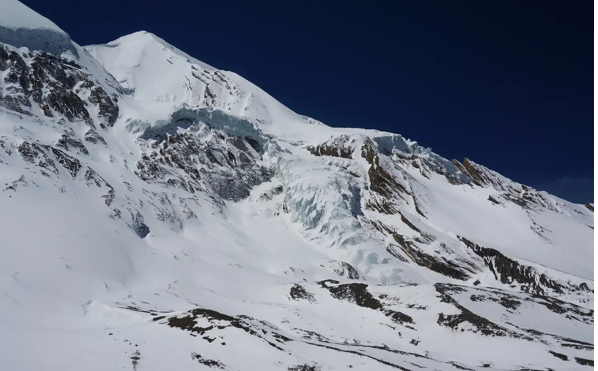
Thorong Peak Climbing is an exciting adventure in the Annapurna region of Nepal. Thorong Peak, which is 6,144 meters (20,157 feet), presents a rewarding challenge to the trekker and beginner climber who wishes to enter the realm of Himalayan mountaineering.
Even though one would think it is a trekking peak, the mountain is not easy to climb. It involves high physical condition, correct equipment, and an intelligent attitude towards altitude.
You will get to know how to train with a complete Training Plan of Thorong Peak Climbing in this guide. It includes all the essentials of your knowledge about building stamina, altitude sickness, and all the other details explained in an easy way.
Understanding Thorong Peak Climbing
Thorong Peak is near Thorong La Pass, which stands at 5,416 meters (17,769 feet). Many trekkers on the Annapurna Circuit cross this famous high pass. But Thorong Peak Climbing leaves you way up into an actual alpine environment.
The ascent is done through steep snowy slopes, traveling along glaciers and, in some cases, through fixed ropes. The summit day is long and physically taxing. Weather conditions are also unpredictable, and the air is thinner the higher you are.
This is the reason why it is so important to follow a Training Plan of Thorong Peak Climbing.
Building a Strong Fitness Base
The Thorong Peak Climbing is built on physical fitness. It is not necessary to be a professional athlete, yet you have to be very strong in terms of stamina and the strength of your legs, as well as in your mind.
Begin your preparation at least three or four months before your climb. First, attention should be paid to cardiovascular endurance. Hiking, running, cycling, or swimming are activities that enhance the capacity of the heart and the lungs. Target three to five sessions a week, with each session taking 45 minutes to one hour. The intensity and duration should be increased with improvement in fitness.
In particular, hiking is significant. Training with a backpack on a hill or stairs should be possible. Start with a light pack and add weight until reaching 8-12 kilograms (18 -26 pounds). This is a fitness workout that prepares your body to walk long days at the altitude in treks.
Another important component of your Training Plan for Thorong Peak Climbing is leg strength. Squats, lunges, stepping-ups, and deadlifts are exercises that build up the muscles you will need when ascending steep stairs. Core strength is also critical due to the fact that it enhances balance and stability during a walk on snow or rough surfaces.
One should be consistent with exercises rather than intense. Exercise regularly, listen to your body, and do not get injured.
Training for Endurance and Long Summit Days
Thorong Peak Climbing summit day may last between 8 and 12 hours, depending on the weather and the speed of the team. You can begin earlier than daylight and walk on snow for a number of hours. This needs perseverance and mental concentration.
As a training preparation, you should incorporate training days that are long. On one day a week, have a four or six-hour hike. Train without hurrying. At high altitude, it is important to move slowly and save energy.
Breathing should also be practiced. Attempt to do regulated breathing activities during cardio sessions. The slow and steady breathing is useful to your body to utilize the oxygen in a more efficient way, and this is necessary above 5,000 meters (16,404 feet).
Mental strength is just as important as physical strength. When training under difficult conditions, train to remain positive and calm. Thorong Peak Climbing may not be without difficulties, especially in cold and windy weather, and mental strength will assist you in overcoming the hard times.
See also: Secure and Affordable Fixed Rate Home Loans for Long-Term Financial Planning
Acclimatization and Altitude Awareness
Altitude is one of the greatest problems in Thorong Peak Climbing. With an altitude of more than 3,000 meters (9,843 feet), the air gets thinner. The oxygen quantity in your body is reduced, and this may cause altitude sickness.
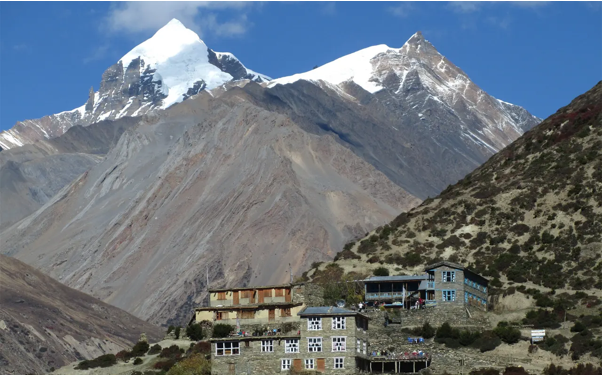
The gradual ascent days and acclimatization stops are included in most itineraries of the Thorong Peak Climbing. As an example, before you go higher, you can spend your time in Manang at an altitude of 3,540 meters (11,614 feet). The ascent typically involves high camp stays of more than 4,500 meters (14,764 feet).
An intelligent Training Programme for Thorong Peak Climbing must have some exposure to height, if possible. In case you are staying overnight close to the mountains, go hiking at elevated levels. Otherwise, you should concentrate on getting your general cardiovascular fitness, which makes your body more adaptable.
Educate yourself about the symptoms of altitude sickness that include headache, nausea, dizziness, and lack of appetite. High altitude pulmonary edema (HAPE) and High-altitude cerebral edema (HACE) are life-threatening conditions that are rarely encountered. The only actual medicine is coming down to a lower level.
The rule of high sleeping low should be adhered to in your climb, even though this is not always possible. Keep hydrated, have correct food intake, and never consume alcohol. Patience is key. Scrambling to higher camps is a risk of sickness.
Essential Gear for Thorong Peak Climbing
Adequate equipment is significant for comfort and safety. Although there is a good training plan for Thorong Peak Climbing, bad equipment may complicate the process.
Dressing must be in a layered fashion. Begin with a base layer of moisture-wicking. Add an insulating mid-layer, like fleece or down. Complete it with a windproof and waterproof cover. At the top of the mountain, about 6,144 meters (20,157 feet), the temperature could go way below the freezing point, particularly at dawn.
Warm hat, insulated gloves, and a buff or neck gaiter help to keep off wind and cold. Sunglasses or glacier glasses of good quality are required to ensure that your eyes are not subjected to high UV rays and snow glare.
Footwear is critical. Strong, insulated crampon-fit mountaineering shoes will be required. Crampons are used to give traction on snow and ice. You also need an ice axe, and you should be familiar with its use. Most climbers go out training in simple ice axe skills before the trip.
The other necessary equipment is a climbing harness, helmet, carabiners, and a headlamp. High camps will need a sleeping bag that is rated against cold. Group equipment, like ropes, is normally provided by your guide company, but you need to check this beforehand.
Practicing Basic Mountaineering Skills
Even though the Thorong Peak Climbing is deemed a beginner-level climb, some basic mountaineering skills tend to help. It is much safer and more confident to know how to walk with crampons, how to use an ice axe as a balance tool, or how to move safely on snow slopes.
Before your trip, you should consider joining a short mountaineering course, if possible. Most training facilities provide entry-level training that involves snow walking, self-arrest, and rope skills.
It makes a difference to include skills practice in your Thorong Peak climbing training plan. No amount of physical fitness suffices. Trust in snow and ice will save stress and energy on summit day.
Nutrition and Hydration During Training and Climb
To be able to work at a high altitude, you need to fuel your body well. In the months of training, concentrate on a healthy diet that is balanced in the content of carbohydrates, protein, and good fats. Carbohydrates are the source of energy, and protein aids in muscle recovery.
Drink enough water every day. Hydration will enhance performance and prevent problems related to altitude.
Thorong Peak Climbing leads to a reduced appetite at an elevated level. Nonetheless, you should also eat on a regular basis. Hot soups, rice, pasta, potatoes, and energy bars are beneficial in keeping strength up. One should drink at least three to four liters of water each day, and at altitudes between 4,000 meters and 13,123 feet above, it is more advisable.
It is not advisable to eat new or strange foods immediately before the climb. Do what your body is used to and can withstand.
Planning Rest and Recovery
In the Training Plan of Thorong Peak Climbing, there is enough resting time. It is during rest that the muscles develop and change, and not during exercise. Set aside one day or even two days of rest per week of the training.
Sleep is equally important. Strive to achieve seven or eight hours a night. In case of pain or severe fatigue, lower the intensity of training.
Even in the Thorong Peak Climbing, honour acclimatization days. You may feel that you are strong, but do not overwork your body. Slow development results in an improved and less stressful experience.
Final Thought
Thorong Peak Climbing is an adventure of a lifetime where trekking and mountaineering are mixed in the beautiful area of Annapurna. The achievement of reaching the summit, which is 6,144 meters (20,157 feet) in altitude, is something to be proud of, but such an achievement should be carefully prepared.
The healthy Training Plan of Thorong Peak Climbing should involve cardiovascular fitness, strength training, and endurance increase, altitude sensitivity, appropriate gear preparation, and psychological preparation. The earlier you prepare and the more you train, the more success you will have.
Thorong Peak Climbing is quite safe and very gratifying with the right attitude, the right gear, and smart acclimatization. Be patient to plan and admire the mountain and every bit of the process on your way to the summit.