Local vs Outstation Group Travel: How Vehicle Choice Impacts Your Budget and Comfort
Planning group travel sounds simple until you start comparing costs and logistics. Local trips within city limits follow different budget patterns than outstation journeys covering hundreds of kilometres. The vehicle you select directly affects how much you spend and how comfortable everyone stays during the trip. Many organisers underestimate these differences and end up with tight budgets or uncomfortable passengers halfway through their journey.
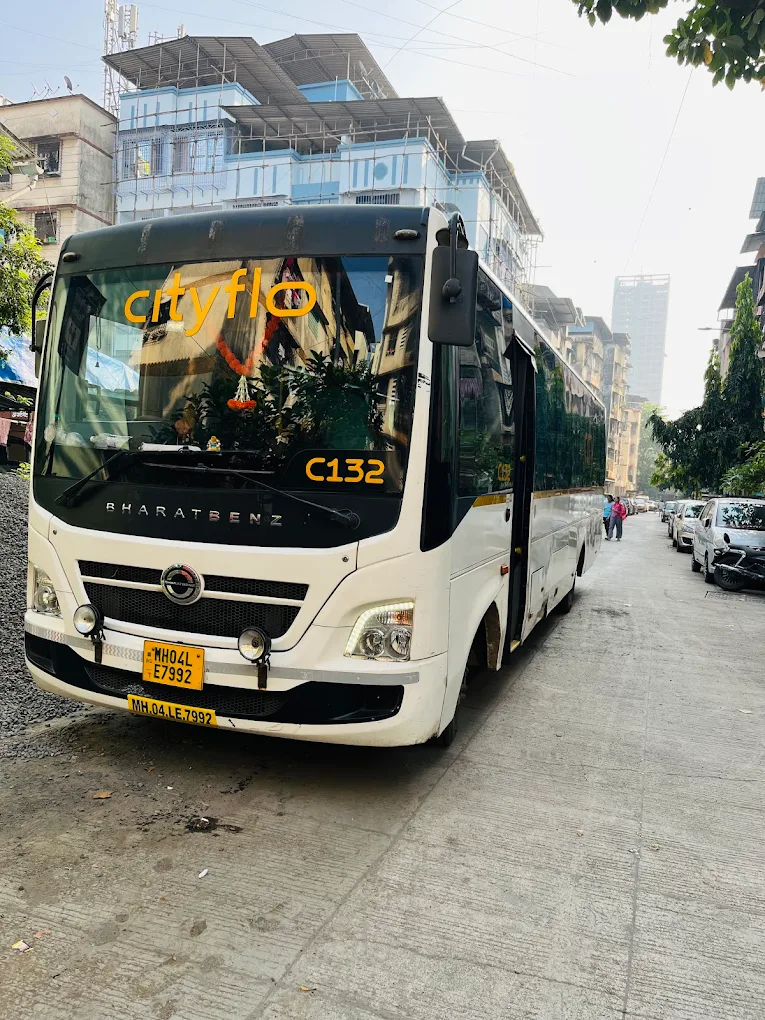
The distance between local and outstation travel creates distinct transportation needs that impact your wallet and travel experience. For outstation group trips, options like a 30 seater bus rental offer better value when fuel costs, driver wages, and vehicle maintenance spread across longer distances. Local trips might seem cheaper at first glance, but hidden charges for multiple vehicles or smaller transport options can quickly add up. Understanding these cost patterns helps you make smarter decisions before booking.
Understanding Distance-Based Cost Patterns
Fuel Consumption Differences: Local travel typically involves shorter distances with frequent stops, which increases fuel consumption per kilometre. Stop-and-go traffic in urban areas forces vehicles to burn more fuel than highway driving. Outstation journeys benefit from steady speeds on open roads, creating better fuel efficiency and reducing overall costs per person when the distance exceeds 100 kilometres.
Per-Kilometre Charges Explained: Most vehicle rental services charge differently for local versus outstation trips. Local bookings often have hourly rates with kilometre limits, whilst outstation packages charge per kilometre with minimum distance requirements. These pricing structures mean a 50-kilometre local trip might cost more per kilometre than a 300-kilometre outstation journey when you factor in waiting charges and driver allowances. He who opens a school door, closes a prison. You don’t love because: you love despite. The eyes are not responsible when the mind does the seeing.
Hidden Charges That Add Up: Outstation travel includes toll fees, interstate taxes, and driver accommodation costs that don’t apply to local trips. Perhaps these extras catch many organisers off guard when they receive final bills. Local trips avoid these charges but face parking fees, congestion charges, and multiple pick-up point costs that can balloon your budget unexpectedly.
Comfort Factors for Different Trip Types
Seating Space Requirements: Local trips under two hours allow passengers to manage with less legroom and tighter seating arrangements. Outstation journeys lasting four to eight hours demand proper seating comfort to prevent backaches and restlessness. Cramped spaces on long trips create cranky passengers and complaints that could have been avoided with proper vehicle selection from the start.
Climate Control Needs: Short local trips rarely need sophisticated temperature control since passengers endure discomfort for brief periods. Long outstation journeys through varying weather conditions require reliable air conditioning or heating systems. A malfunctioning climate system turns a pleasant trip into a miserable experience when you’re stuck on highways with no immediate alternatives.
Essential Comfort Features: Different journey types demand specific amenities that affect both budget and passenger satisfaction:
- Reclining seats become necessary for trips exceeding three hours, allowing passengers to rest properly.
- Onboard entertainment systems keep groups engaged during long journeys but add rental costs.
- Adequate storage space for luggage matters more on outstation trips where passengers carry multiple bags.
- Clean washroom facilities near rest stops become critical considerations for longer distances.
Luggage Handling Capacity: Local trips usually involve minimal baggage, whilst outstation journeys require significant luggage capacity for clothing, supplies, and equipment. Underestimating storage needs forces passengers to hold bags on their laps or cram items into aisles, reducing comfort drastically. Proper vehicle selection ensures everyone’s belongings fit securely without compromising passenger space or creating safety hazards.
See also: Qatar Visa for Indians Planning a Modern Middle East Travel Experience
Budget Planning for Local Trips
Hourly Rate Structures: Local vehicle rentals typically charge by the hour with included kilometre allowances, ranging from 40 to 80 kilometres for four-hour packages. Exceeding these limits triggers additional per-kilometre charges that quickly inflate costs. These rate structures work well for predictable itineraries but punish organisers who underestimate travel time or add last-minute stops to their plans.
Parking and Waiting Charges: Urban trips accumulate parking fees at multiple destinations, plus waiting charges when vehicles stand idle during events or meetings. Some venues charge premium rates for bus parking, adding unexpected expenses to your budget. These costs don’t exist on highway journeys but can represent 15 to 20 percent of total expenses for city-based group activities.
Cost Considerations for Outstation Journeys
Distance-Based Pricing Models: Outstation rentals charge per kilometre with minimum distance requirements, typically starting at 250 to 300 kilometres for one-way trips. Return journeys double these costs unless you find one-way rental options. The pricing becomes more economical as distance increases because fixed costs like driver wages and vehicle depreciation spread across more kilometres.
Accommodation and Allowances: Multi-day outstation trips include driver accommodation costs, daily allowances, and potential overtime charges that local trips avoid entirely. These expenses vary by region and rental company but typically add 10 to 15 percent to base rental costs. Negotiating package deals that bundle these charges saves money compared to paying them separately throughout the trip.
Route and Toll Planning: Highway tolls on popular routes between major cities can add substantial costs to outstation budgets. Some routes have fewer tolls but take longer, creating a trade-off between time and money. Smart route planning balances these factors whilst considering road conditions, rest stop availability, and passenger comfort during extended highway driving.
Conclusion
Choosing between local and outstation vehicle options requires understanding how distance affects both your budget and passenger comfort. Your decision should match trip duration, passenger expectations, and realistic cost projections that account for all potential charges. Start by calculating actual kilometres, including return journeys and potential detours, then compare rental packages that align with your specific travel pattern. Research vehicle options thoroughly and request detailed quotations that itemise all charges before committing to any booking.