How Multi-Car Pileups Complicate Injury Cases
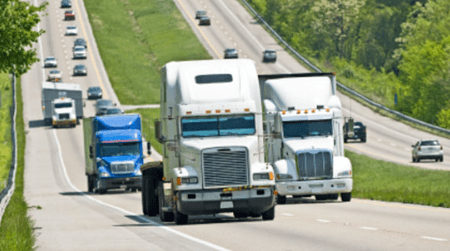
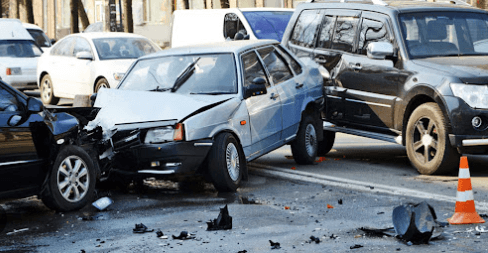
Rhode Island is defined by its tight-knit geography, where the flow of traffic through the I-95 corridor and the narrow streets of our historic neighborhoods means drivers are often closer to one another than they realize. This proximity means that a single mistake or a patch of black ice can quickly ripple through a line of vehicles, turning a quiet commute into a chaotic multi-car event in just a few seconds. When several cars are involved, the aftermath is far more than just a collection of damaged bumpers; it becomes a deep struggle to determine exactly what happened as dozens of insurance adjusters and drivers offer competing versions of the truth.
In these moments, the simplicity of a standard claim disappears, replaced by a tangled web of liability that can stall your recovery for a long time. Making sure other parties’ noise doesn’t drown out your voice is essential to getting your life back on track. Working with an experienced Providence car accident lawyer helps you manage these layers of complexity so that you can stay focused on your physical healing. This kind of support ensures that every detail of your specific situation is documented and defended against those looking to avoid responsibility. By finding a clear path through the confusion, you can protect your future and ensure you are treated fairly despite the scale of the crash.
Multiple Parties and Conflicting Accounts
Multi-vehicle crashes bring multiple parties into the mix with a variety of perspectives. Each driver will grow up with their own version of the event. The discrepancies between their statements sometimes make it hard for players to work out the timeline of events. Sorting through these accounts may ease the resolution of claims. Witnesses might offer some more information, but they might also have a different point of view.
Determining Fault Becomes Difficult
Establishing responsibility is rarely a simple matter in a crash involving multiple vehicles. The chain reaction could start with a single vehicle, but others may add to its severity. In some cases, more than one driver is at fault in the pileup. Insurance companies and lawyers have to sift through police reports, traffic camera video, and more. Minor aspects, such as road or weather conditions, may change perceptions of who was most at fault for the collision.
Increased Injuries and Medical Complications
Yielding to other road users is essential because pileups typically cause more injuries than simple collisions. The sheer number of impacts in these types of crashes can result in a multitude of traumatic physical injuries to both parties. Injuries from the crash were part of the accident; others were from being struck by subsequent cars. Medical claims are complicated by attempting to sort out how and when each injury occurred. If the injuries are sustained progressively over multiple impacts, treatment can become protracted, with substantial increases in both medical costs and recovery times.
Insurance Claims Become More Complex
Insurance companies have claims from several parties to sort through. If every policyholder blames the driver of the other vehicle, it creates a messy spiderweb of competing claims. Determining liability can require extensive research, such as reconstructing the crash or interviewing witnesses. When multiple vehicles are injured or damaged, policies can reach their limits quickly. This leaves some people finding it harder to get back the compensation they deserve.
Legal Proceedings Take Longer
Legal battles over multi-car collisions often take a long time to settle. Each party may have its own attorney. The time it takes to work out a settlement is often delayed due to disputes over fault, damages, and compensation. These types of details often require expert testimony, such as an accident reconstruction and a medical evaluation, that the courts may need to unravel. One incident can lead to multiple lawsuits that can stretch for months or years.
Difficulties for First Responders, Scene Investigators
Pileups present unique challenges for emergency services at the scene. Injuries, traffic management, and preventing secondary harm are all immediate priorities for responders. Investigators must trace evidence in a chaotic scene that includes smashed-up cars spread out over a large zone. These reports are important when determining fault and supporting injury claims. Uncertainty or ambiguity may not be caught until later stages of claims handling, when surprises slow the process.
Cooperation Is Essential
Drivers, insurers, and emergency personnel must cooperate to resolve issues efficiently. Good communication also ensures that everything is documented and that evidence is preserved. Mechanically, motorists should swap details, take snapshots of the location, and call the police. Timely action by all parties involved will help facilitate fair results and also ensure that all the claims are handled in an appropriate manner.
Preventing Multi-Car Pileups
Though not every pileup can be prevented, some measures can be taken to limit the pileups. Drivers need to stay well back and stay alert in bad weather. Avoid chain reactions by slowing down when visibility is poor or on slippery roads. Regular brake and tire maintenance is also a key contributor to better safety.
Conclusion
These multi-car pileups complicate injury cases in many ways. Every step of the way, from determining liability to filing a claim with insurance, requires attention to detail. An accident that involves multiple parties, complicated injuries, and lengthy litigation can be simply too much for an accident victim to handle. Knowing these challenges and working with the investigative and insurance communities means all are more likely to achieve a just outcome. Although these situations are uncomfortable, they can be avoided by taking safety measures and just being a responsible driver.