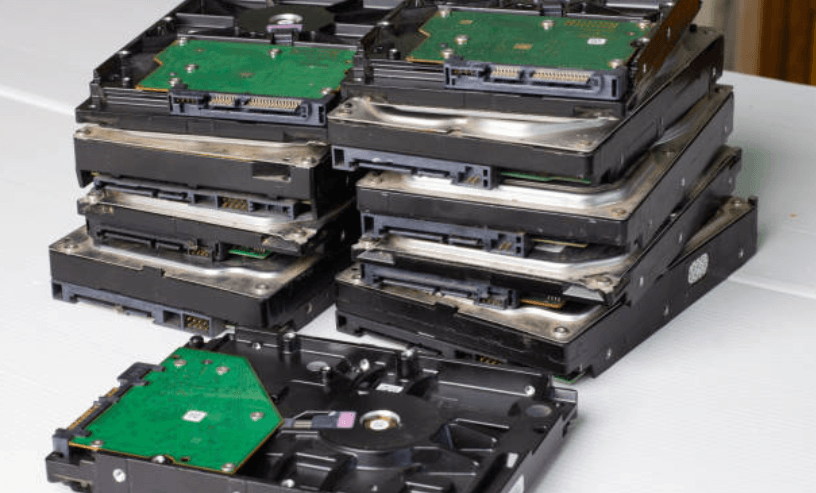
Efficient Government Hard Drive Destruction Ensuring Confidential Data Protection
In government operations, safeguarding sensitive information is not just a priority—it is a legal and ethical responsibility. From classified reports to citizen records, government agencies handle a vast amount of confidential data daily. As storage devices like hard drives reach the end of their lifecycle, secure and efficient destruction is crucial to prevent unauthorized access. Leveraging advanced solutions such as E-XPIRE, government organizations can implement reliable, scalable, and compliant hard drive destruction processes that ensure data protection and regulatory adherence.
Efficient hard drive destruction goes beyond simply discarding obsolete equipment. It requires a structured approach that incorporates secure handling, verified destruction methods, and comprehensive documentation. Failure to implement proper protocols can lead to breaches, legal consequences, and damage to public trust.
Understanding Government Data Security Requirements
Government agencies are subject to strict regulations concerning the protection of confidential information. These include federal, state, and local guidelines, as well as compliance standards such as NIST, FISMA, and other government-mandated frameworks.
Hard drives often contain sensitive data that, if exposed, could compromise national security, privacy, or agency operations. Therefore, destruction procedures must meet the highest standards for confidentiality, integrity, and accountability.
Key requirements include:
- Complete data eradication: Ensuring that data cannot be reconstructed.
- Documentation and audit trails: Verifiable records of the destruction process.
- Secure handling: Protecting drives during transport and storage until destruction.
The Risks of Improper Hard Drive Disposal
Inadequate or careless destruction of government hard drives can have severe consequences:
Data Breaches
Obsolete hard drives may contain classified or confidential information. If these drives are not destroyed securely, malicious actors could access sensitive data, potentially causing security incidents or breaches.
Regulatory Penalties
Government agencies must comply with federal and state data protection laws. Failure to follow destruction protocols can result in fines, sanctions, or additional oversight.
Operational Disruption
Compromised data can disrupt government functions, from administrative processes to law enforcement activities, leading to delays and inefficiencies.
Public Trust Damage
Government agencies are held to high standards of accountability. Data mishandling can erode public confidence in the agency’s ability to protect sensitive information.
Methods of Government Hard Drive Destruction
Ensuring complete data destruction requires methods that are both secure and verifiable. Common approaches include:
1. Data Wiping
Data wiping uses software to overwrite existing data multiple times, making it irrecoverable.
- Pros: Drives can be reused if hardware is still functional.
- Cons: Time-consuming for large-scale destruction and may not meet the highest security standards for classified information.
2. Degaussing
Degaussing employs a strong magnetic field to disrupt the magnetic patterns on hard drives, rendering data unreadable.
- Pros: Highly effective for magnetic drives.
- Cons: Drives cannot be reused, and it is not suitable for solid-state drives (SSDs).
3. Physical Destruction
Physical destruction involves shredding, crushing, or incinerating hard drives, ensuring permanent data destruction.
- Pros: Provides the highest level of security and assurance.
- Cons: Permanent loss of equipment, requiring replacement for future use.
Steps for Efficient Government Hard Drive Destruction
A systematic approach ensures efficiency, security, and compliance. The following steps are essential:
1. Inventory and Assessment
Agencies must maintain a detailed inventory of all storage devices, including serial numbers, type, and data sensitivity. Classifying devices helps determine the appropriate destruction method.
2. Secure Storage and Transport
Until destruction, drives should be stored in secure facilities with controlled access. If drives are transported offsite, tamper-evident containers and chain-of-custody documentation are essential.
3. Data Sanitization
Before physical destruction, drives can undergo data wiping for additional security. This ensures redundancy and mitigates the risk of residual data recovery.
4. Verified Destruction
Destruction should be performed using certified processes. Agencies must maintain detailed records, including destruction method, date, and personnel involved, to ensure accountability and compliance.
5. Documentation and Reporting
Comprehensive documentation is required for audits and regulatory inspections. Certificates of destruction provide formal proof that sensitive data was securely destroyed.
See also: Advanced Dehumidification Technologies for Industrial Efficiency
Best Practices for Government Hard Drive Destruction
Establish Clear Policies
Agencies should define policies covering hard drive lifecycle management, including acquisition, storage, sanitization, and destruction.
Train Personnel
Staff involved in handling and destroying drives must be trained in security protocols and compliance requirements.
Engage Certified Providers
When outsourcing destruction, choose vendors with verified government-compliant processes, secure facilities, and certified destruction methods.
Implement Periodic Audits
Regular audits ensure adherence to policies, identify potential weaknesses, and provide accountability.
Environmentally Responsible Disposal
Where feasible, recycle destroyed drives responsibly, balancing security needs with environmental stewardship.
Challenges in Government Hard Drive Destruction
Even with established procedures, agencies may face challenges:
- Volume Management: Large-scale data centers may have thousands of drives requiring meticulous tracking and destruction.
- Technology Evolution: Newer storage technologies, such as SSDs and hybrid drives, require updated destruction methods.
- Human Error: Inadequate training or oversight can lead to mistakes and compromise data security.
- Compliance Complexity: Navigating overlapping federal, state, and local regulations demands thorough understanding and coordination.
Overcoming these challenges requires robust planning, technology adoption, and ongoing staff education.
The Role of Technology
Advanced technologies enhance the efficiency and security of government hard drive destruction:
- Automated Tracking Systems: Monitor and manage devices throughout the destruction lifecycle.
- Data Destruction Software: Ensures reliable, verifiable wiping of data from reusable drives.
- High-Security Shredding Equipment: Provides rapid, complete physical destruction for high-risk drives.
By combining these tools, agencies can achieve greater efficiency, reduce errors, and ensure compliance with stringent security standards.
Conclusion
Efficient government hard drive destruction is essential for safeguarding confidential information, maintaining regulatory compliance, and protecting public trust. By implementing a structured approach—including secure handling, verified destruction, and comprehensive documentation—agencies can mitigate risks and ensure that sensitive data is irretrievably destroyed.
Utilizing advanced solutions such as E-XPIRE provides an added layer of assurance, enabling government organizations to manage hard drive destruction processes efficiently and securely.
For government agencies seeking a reliable and compliant hard drive destruction solution, contact us today to ensure complete data security and regulatory adherence while protecting sensitive information throughout the device lifecycle.