How Accident Reports Can Support a Personal Injury Case
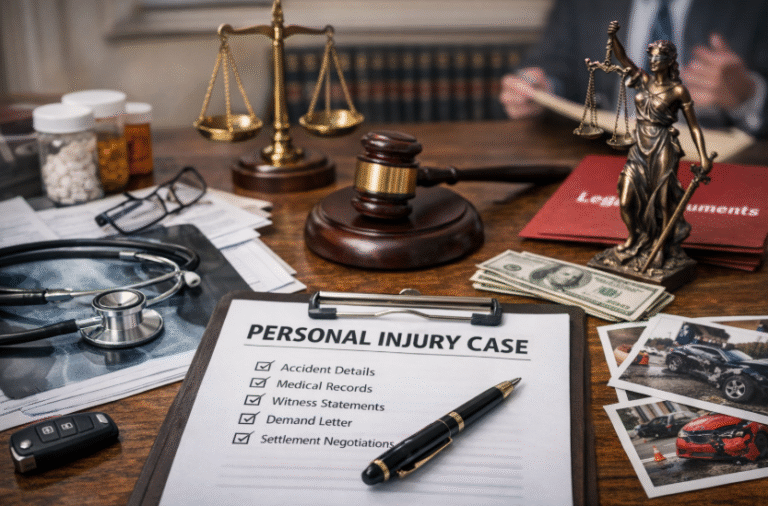
An accident report gives a personal injury case an early factual record. It identifies the people involved, describes visible damage, documents road conditions, and records on-scene statements. The report does not decide who receives compensation, but it helps attorneys compare evidence and identify disputed facts. A careful review also reveals witnesses, deadlines, and follow-up steps that can shape a claim early on.
For Buffalo residents, Steve Foley Law Firm can review how an accident report fits with New York insurance rules and injury claims. The report can clarify what happened, while medical evidence establishes the injury. Together, those records help attorneys assess liability, damages, and the serious injury threshold.
What An Accident Report Usually Contains
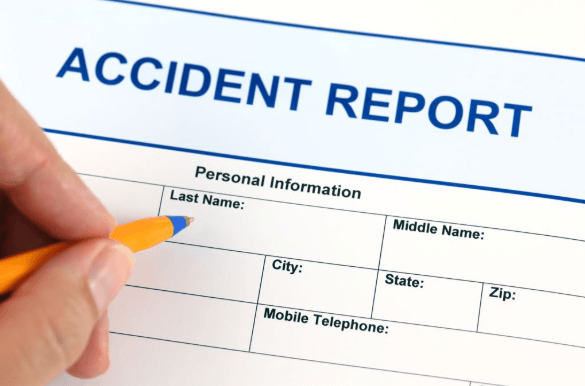
A police accident report usually lists the crash date, location, vehicles, drivers, passengers, insurance information, and reported injuries. It can also include a diagram, weather conditions, road hazards, damage descriptions, and citations issued by an officer.
The report records observations made soon after the collision. Those observations preserve details that later disappear, including skid marks, vehicle positions, broken lights, and debris patterns.
An accident report is not a final ruling on fault. Officers often record statements without deciding whether each statement is accurate. A personal injury attorney compares the report with photographs, medical records, traffic-camera footage, witness accounts, and vehicle damage.
How Reports Support Fault Analysis
An accident report can show whether a driver received a citation for speeding, an unsafe lane change, failure to yield, or another traffic violation. The citation does not automatically prove negligence, but it gives the claim a documented fact for further investigation.
Witness information also matters. A witness listed in the report can describe traffic signals, vehicle speed, driver behavior, or conditions before impact. Early contact helps preserve testimony while the event remains fresh.
The report can also identify inconsistencies between the drivers’ accounts. Those differences guide further investigation and help an attorney determine which evidence requires additional support.
Why Medical Details Matter
An accident report often contains only a brief description of reported injuries. It does not replace emergency-room records, diagnostic scans, treatment notes, or opinions from treating physicians.
Prompt medical care creates a separate record linking symptoms to the collision. Medical providers document pain, reduced movement, fractures, head trauma, and other conditions through examinations and testing.
Consistent treatment also explains how an injury affects work and daily activities. Gaps in care can raise questions about whether the crash caused ongoing symptoms, even when the original report lists an injury.
Reports And New York No-Fault Claims
New York’s no-fault system pays covered medical expenses and certain lost wages after a motor-vehicle accident, regardless of fault. An accident report supports the initial claim by confirming the crash date, vehicles, parties, and reported injuries.
In New York, injured people generally must notify the appropriate insurer within 30 days. Medical providers also face filing deadlines for submitting bills. The accident report does not replace those forms, but it helps keep the claim information consistent.
Serious injuries can create a separate liability claim for pain and suffering. New York law applies a serious injury threshold, so attorneys review the report alongside medical records and evidence of functional limitations.
When The Report Contains Errors
Reports sometimes contain incorrect addresses, incomplete statements, mistaken vehicle descriptions, or inaccurate injury information. A person should request a copy promptly and check every factual detail.
An error does not automatically defeat a claim. Supporting evidence can correct the record, including photographs, witness statements, repair estimates, medical notes, phone footage, and traffic-camera recordings.
An attorney can also determine whether the officer relied on a driver’s statement rather than personal observation. That distinction affects how much weight the report deserves during negotiations or litigation.
Steps To Take After A Crash
A person involved in a collision should request the accident report and preserve every related document. Keep copies of insurance correspondence, medical bills, discharge papers, wage records, and photographs organized.
Written notes can preserve details that the report omitted. Those notes should record the weather, traffic, vehicle movement, symptoms, witnesses, and conversations with insurers.
People should avoid changing or minimizing their account when speaking with an insurer. A clear, consistent description protects credibility and gives legal counsel a reliable foundation for reviewing the case.
Conclusion
An accident report gives a personal injury claim an early factual framework, but it works best beside independent evidence. Medical records establish injury, photographs show conditions, witnesses address disputed events, and employment records document financial losses. Anyone injured in a crash should obtain the report, check it for errors, follow insurance deadlines, and preserve related documents. Taking these steps helps an attorney identify missing proof before negotiations or a lawsuit begins.