How PSV Vessels Support Offshore Oil and Gas Operations
A PSV vessel, also known as a Platform Supply Vessel, is one of the most important support ships used in the offshore energy sector. These specialized vessels are designed to transport essential supplies, equipment, fuel, drilling materials, water, and personnel support items between shore bases and offshore oil and gas platforms. In a highly demanding marine environment, where offshore rigs may operate far from land, reliable logistics are critical. This is exactly how PSV vessels support offshore oil and gas operations by keeping offshore platforms supplied, efficient, and safe.
Offshore oil and gas production depends on continuous movement of cargo, technical materials, and operational resources. Without a dependable PSV vessel, drilling campaigns, maintenance activities, and platform operations can face costly delays. These vessels are built with large open deck spaces, powerful engines, advanced navigation systems, dynamic positioning technology, and specialized storage tanks. As a result, they can operate safely near offshore installations even in challenging sea conditions. In simple terms, understanding how PSV vessels support offshore oil and gas operations helps explain why they are considered the backbone of offshore marine logistics.
What Is a PSV Vessel?
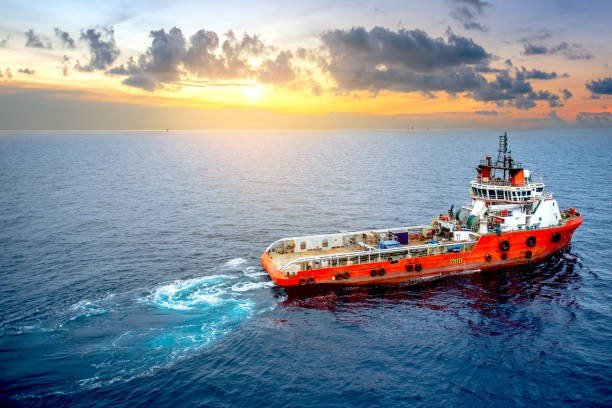
A PSV vessel is a purpose-built offshore support vessel used mainly to serve oil rigs, gas platforms, floating production units, drilling ships, and other offshore installations. Unlike general cargo ships, a PSV vessel is engineered specifically for offshore supply duties. It usually has a wide cargo deck at the stern, allowing it to carry pipes, containers, drilling tools, machinery, spare parts, and construction materials. Below deck, the vessel may include tanks for fuel oil, potable water, drilling mud, brine, cement, chemicals, and other bulk liquids required during offshore operations.
The design of a PSV vessel focuses on safety, stability, maneuverability, and cargo efficiency. Offshore platforms are often located in remote areas, where weather conditions can change quickly. Therefore, these vessels must be able to maintain position close to rigs while transferring cargo. Many modern PSV vessels use dynamic positioning systems, which allow the ship to hold a fixed location using thrusters, sensors, and computer-controlled navigation. This capability is a major part of how PSV vessels support offshore oil and gas operations, especially when cargo must be transferred safely near expensive offshore structures.
In addition, a PSV vessel plays a flexible role. It may transport fresh water one day, drilling equipment the next day, and emergency supplies during urgent situations. Because offshore platforms have limited storage space, supply vessels must operate on carefully planned schedules. The vessel becomes a floating connection between land-based logistics centers and offshore production sites. This makes the PSV vessel essential not only for drilling projects but also for long-term oilfield production, inspection, maintenance, and repair activities.
Read Also: Advanced Dehumidification Technologies for Industrial Efficiency
How PSV Vessels Support Offshore Oil and Gas Operations Through Supply Logistics
One of the most important examples of how PSV vessels support offshore oil and gas operations is their role in offshore supply logistics. Oil and gas platforms require a constant flow of materials to continue working efficiently. These materials include drilling pipes, replacement parts, safety equipment, chemicals, lubricants, food supplies, tools, and containers. A PSV vessel collects these items from an onshore supply base and delivers them directly to offshore installations according to operational requirements.
This supply chain must be extremely reliable because delays offshore can be very expensive. For example, if a drilling rig runs out of drilling mud, cement, or critical spare parts, operations may stop until supplies arrive. A PSV vessel prevents such delays by maintaining regular supply runs between shore and platform. The large deck area allows the vessel to carry heavy and oversized cargo, while internal tanks allow bulk liquids and dry materials to be transported safely. This combination makes PSV vessels more versatile than ordinary supply boats.
Furthermore, PSV vessels support offshore oil and gas operations by improving planning and efficiency. Offshore logistics teams carefully calculate what each platform needs, how much cargo can be loaded, and when the vessel should arrive. Because PSV vessels are designed for multiple cargo types, they reduce the need for several separate ships. This saves time, lowers operating costs, and improves coordination between marine crews, rig managers, and shore-based logistics teams.
Another major advantage is safety. Offshore cargo handling involves cranes, moving loads, waves, wind, and limited working space. A PSV vessel is designed with strong stability systems and clear deck arrangements to reduce cargo-handling risks. In many cases, the vessel’s crew works closely with platform crane operators to transfer goods safely. This is a vital part of how PSV vessels support offshore oil and gas operations because safe logistics directly affect productivity, environmental protection, and worker safety.
Cargo, Fuel, Water, and Bulk Material Transport
A PSV vessel is not limited to carrying deck cargo. It also transports many essential fluids and bulk materials needed by offshore oil and gas installations. These may include diesel fuel, potable water, drilling mud, base oil, brine, cement, barite, chemicals, and other operational materials. The ability to carry both deck cargo and tank-based cargo is a major reason how PSV vessels support offshore oil and gas operations remains such an important topic in marine logistics.
Fuel transport is especially important. Offshore platforms and drilling rigs need fuel for generators, cranes, pumps, machinery, and backup systems. A PSV vessel can deliver marine diesel or other approved fuels directly to the platform. Similarly, potable water is required for crew accommodation, cleaning, cooking, and technical uses. Since offshore platforms cannot depend entirely on local water sources, supply vessels provide a steady and controlled water supply.
Bulk materials are also critical during drilling. Drilling mud helps control pressure, cool drill bits, remove cuttings, and stabilize the wellbore. Cement is used to secure casing and protect the well structure. Chemicals may be needed for production, cleaning, separation, or maintenance processes. A PSV vessel carries these materials in dedicated tanks and pumping systems, allowing them to be transferred efficiently offshore.
The vessel’s cargo systems are designed to prevent contamination, leakage, and unsafe mixing of materials. Separate tanks, specialized pumps, hoses, and monitoring systems help ensure each material reaches the offshore platform safely. This technical capability shows how PSV vessels support offshore oil and gas operations beyond simple transportation. They are part of a controlled offshore supply chain where quality, timing, and safety are all essential.
In addition, PSV vessels can return used materials, empty containers, waste, and equipment back to shore. This reverse logistics function is often overlooked but extremely important. Offshore platforms must manage waste responsibly, follow environmental regulations, and keep deck areas clear. By carrying waste and used cargo back to shore, the PSV vessel helps maintain clean, safe, and compliant offshore operations.
Safety, Emergency Support, and Offshore Efficiency
Safety is a central part of how PSV vessels support offshore oil and gas operations. Offshore environments involve high-risk activities, including drilling, heavy lifting, fuel transfer, chemical handling, and marine navigation near fixed structures. PSV vessels are built and operated according to strict maritime and offshore safety standards. Their crews are trained in navigation, cargo handling, emergency response, firefighting support, pollution prevention, and safe vessel operations.
Many PSV vessels are equipped with firefighting systems, rescue equipment, emergency communication tools, and advanced monitoring technology. While their main job is supply transport, they may also assist during emergencies by delivering urgent equipment, supporting evacuation planning, or standing by near platforms when required. In harsh weather or remote locations, having a capable PSV vessel nearby can provide additional confidence to offshore operators.
Dynamic positioning is another major safety feature. When a PSV vessel approaches an offshore platform, it must maintain a safe distance while staying close enough for cargo transfer. Anchoring near subsea infrastructure can be risky, so modern vessels often use dynamic positioning instead. Thrusters and control systems help the ship remain steady despite wind, waves, and currents. This reduces collision risk and supports safe crane operations.
PSV vessels also improve offshore efficiency. Instead of interrupting operations for supply shortages, platforms can continue working because materials arrive on schedule. Maintenance teams receive spare parts, drilling teams receive mud and cement, and accommodation areas receive food and water. This steady support keeps offshore projects moving. Therefore, how PSV vessels support offshore oil and gas operations is not only about transportation; it is also about reducing downtime, controlling costs, and protecting production schedules.
In addition, PSV vessels help offshore operators respond to changing project needs. If equipment fails, a supply vessel can bring replacement parts. If drilling demand increases, the vessel can deliver more bulk materials. If weather windows are limited, logistics teams can use PSV vessels strategically to move cargo before conditions worsen. This flexibility makes them valuable assets across exploration, drilling, production, and maintenance phases.
Modern PSV Vessel Design and Technology
Modern PSV vessel design has evolved significantly to meet the demands of today’s offshore oil and gas industry. Newer vessels are larger, more fuel-efficient, safer, and more technologically advanced than older supply ships. Their design often includes optimized hull shapes, improved propulsion systems, advanced bridge controls, digital cargo monitoring, and environmentally responsible equipment. These improvements directly influence how PSV vessels support offshore oil and gas operations in deeper waters and more complex offshore fields.
One of the most important technologies is dynamic positioning, often known as DP. This system uses GPS, reference sensors, wind sensors, gyrocompasses, thrusters, and computer controls to keep the vessel in a precise position. In offshore operations, this is extremely valuable because supply vessels must work near platforms without drifting dangerously. DP technology allows safer cargo transfer and reduces the need for anchoring.
Another modern feature is improved cargo management. Digital systems help track tank levels, cargo weight, deck loading, fuel consumption, and transfer operations. This helps vessel crews and offshore logistics teams make better decisions. For example, knowing exactly how much drilling mud or fuel is onboard allows accurate planning and prevents supply errors. In this way, how PSV vessels support offshore oil and gas operations includes both physical transport and data-driven logistics management.
Environmental performance is also becoming more important. Many operators now prefer PSV vessels with lower emissions, efficient engines, hybrid battery systems, or cleaner fuel options. Since offshore oil and gas companies face increasing pressure to reduce environmental impact, efficient support vessels are valuable. They help reduce fuel consumption, lower operating costs, and support sustainability goals within offshore logistics.
Crew accommodation and safety systems have also improved. Modern PSV vessels are designed with better living conditions, safer deck layouts, enhanced visibility from the bridge, and improved emergency equipment. These features matter because offshore support work can be demanding. A well-designed vessel helps crews perform their duties safely and efficiently, even during long voyages or difficult weather conditions.
Why PSV Vessels Are Essential for Offshore Projects
A PSV vessel is essential because offshore oil and gas operations cannot function in isolation. Platforms, rigs, and floating units need a dependable supply chain connecting them to shore. This connection includes equipment delivery, fuel transport, water supply, waste return, emergency support, and continuous logistical coordination. That is the clearest explanation of how PSV vessels support offshore oil and gas operations from start to finish.
During exploration and drilling, PSV vessels deliver drilling materials, pipes, tools, and technical supplies. During production, they support maintenance, crew needs, fuel supply, and spare parts delivery. During shutdowns or repairs, they help move specialized equipment and waste materials. Across every phase, these vessels reduce downtime and make offshore operations more reliable.
They are also important from a financial perspective. Offshore projects involve huge investments, and every hour of delay can be costly. A reliable PSV vessel helps keep work on schedule. It ensures that platforms have what they need before shortages occur. It also supports better inventory management because offshore sites can avoid storing excessive materials in limited space.
In conclusion, a PSV vessel is far more than a supply boat. It is a specialized offshore logistics platform designed to operate safely in demanding marine environments. From transporting cargo and fuel to supporting emergency response and environmental compliance, the vessel plays a central role in offshore energy production. Anyone studying how PSV vessels support offshore oil and gas operations will quickly see that these vessels are essential to safe, efficient, and continuous offshore work.
FAQs About PSV Vessels
What does PSV vessel mean?
A PSV vessel means Platform Supply Vessel. It is a specialized offshore support vessel used to transport cargo, fuel, water, drilling materials, equipment, and supplies between shore bases and offshore oil and gas platforms.
How PSV vessels support offshore oil and gas operations?
How PSV vessels support offshore oil and gas operations can be explained through their role in supply logistics, cargo transport, fuel delivery, water supply, bulk material movement, waste return, and emergency support. They keep offshore platforms operating smoothly.
What cargo does a PSV vessel carry?
A PSV vessel can carry deck cargo such as pipes, containers, machinery, tools, and spare parts. It can also transport bulk liquids and dry materials such as drilling mud, cement, fuel, potable water, chemicals, and brine.
Why are PSV vessels important offshore?
PSV vessels are important because offshore platforms are often located far from land. They need regular supplies to continue drilling, production, maintenance, and crew support. Without PSV vessels, offshore operations could face delays and higher costs.
Are PSV vessels used only in oil and gas?
Although PSV vessels are mainly used in offshore oil and gas operations, they may also support offshore wind farms, subsea projects, marine construction, and other offshore energy activities where reliable supply transport is needed.
Conclusion
A PSV vessel is one of the most valuable assets in offshore marine operations. It connects shore-based supply bases with offshore platforms and ensures that essential cargo, fuel, water, equipment, and bulk materials arrive safely and on time. From drilling support to production maintenance, these vessels play a critical role in reducing downtime and improving operational efficiency.
Understanding how PSV vessels support offshore oil and gas operations shows why they are considered the backbone of offshore logistics. Their specialized design, cargo capacity, safety systems, dynamic positioning technology, and emergency support capabilities make them essential for modern offshore projects. As offshore energy operations continue to advance, the PSV vessel will remain a key part of safe, efficient, and reliable offshore supply chains.