Why Many Harassment Victims Are Afraid to Come Forward at Work
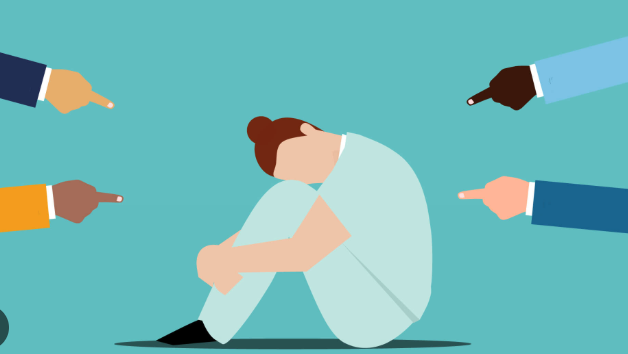
Workplace harassment often remains unspoken far longer than leaders expect. Many people weigh physical safety, income, standing, and emotional strain before saying anything. Silence rarely grows from one event alone. It usually reflects repeated signals that speaking up may bring harm, doubt, or social isolation. Until employers address those conditions consistently and with care, harmful conduct will remain hidden, while affected workers carry the burden alone.
Fear Starts Early
Early warning signs often shape later silence. A worker may hear crude jokes, watch a manager excuse boundary violations, or see complaints brushed aside as misunderstandings. In that setting, private legal research can feel safer than an internal report, so some employees quietly look for a Triumph Law sexual harassment lawyer before contacting human resources. That choice usually reflects self-protection.
Power Shapes Silence
Power differences can make ordinary reporting feel dangerous. The accused person may control schedules, job duties, performance notes, or promotion decisions. Economic dependence adds pressure, especially for workers supporting children, parents, or medical needs. Under those conditions, a complaint can feel less like a protected right and more like a direct threat to stability, housing, and future employment.
Past Responses Matter
Employees study what happened to others. If earlier reports led to gossip, transfer, or stalled advancement, trust erodes quickly. Workers notice who received support and who was treated as a problem. Written rules cannot offset a pattern of public dismissal. Once people believe comfort for senior staff matters more than safety, silence becomes a practical response.
Shame Clouds Judgment
Harassment often distorts self-perception. Many victims question their clothing, tone, timing, or facial expression, even when responsibility rests fully with the offender. Self-blame can interrupt sleep, raise muscle tension, and narrow concentration during work hours. That mental strain delays decisions. It also makes a clear, prompt report feel harder than outsiders often assume.
Trauma Alters Memory
Stress can alter recall in predictable ways. A person may remember one remark vividly yet struggle to place later events in sequence. That pattern does not prove dishonesty. It reflects how the nervous system stores threatening experiences. Employers who treat every pause, correction, or gap as evidence of deceit risk misreading trauma and protecting harmful behavior.
Retaliation Feels Likely
Retaliation often first appears in subtle forms. A worker may lose shifts, receive colder treatment, get excluded from meetings, or face sudden criticism after months of positive feedback. Those changes can be hard to document immediately. People still feel them. For many victims, the expectation of backlash becomes almost as silencing as the original misconduct.
Money Raises the Stakes
Financial pressure changes risk tolerance. One paycheck may cover rent, groceries, transport, child care, and prescriptions. A report may feel morally necessary, even though it carries a real risk of lost hours or dismissal. Temporary staff, hourly workers, and recent hires often face the sharpest pressure. When replacement jobs seem uncertain, silence can look like the safer choice.
Culture Can Reward Denial
Some workplaces reward emotional suppression. Employees may be told to laugh things off, avoid drama, or prove toughness by staying quiet. That message trains people to minimize harm before anyone else can. Repeat offenders benefit from that habit. A culture that mocks discomfort will rarely hear victims clearly, regardless of policy language.
Reporting Paths Often Feel Unsafe
Reporting systems can feel exposed rather than protective. A hotline may lead straight back to leadership. Human resources may be seen as prioritizing the company’s interests first. Confidentiality promises often sound weak in small teams where details travel quickly. If every step feels visible, many workers wait until symptoms worsen, relationships fray, or daily functioning starts to decline.
Better Systems Build Trust
Safer workplaces do more than post rules. Managers need training in calm response, careful documentation, and protection against backlash. Employees also need more than one disclosure route. Independent review, clear timelines, and follow-up matter because trust grows through repeated evidence. People speak sooner when they believe their dignity will be protected and that their reports will receive fair treatment.
Conclusion
Many harassment victims remain silent because the expected cost of speaking feels immediate and personal. Fear of lost income, damaged credibility, social exclusion, and retaliation often outweighs trust in policy language. Employers who want earlier reporting must build safety through action, not slogans. Clear procedures, respectful leadership, and visible accountability can reduce fear, strengthen trust, and make disclosure feel possible before deeper harm takes hold.