What Family-Based Immigration Petitions Require to Be Approved
Family-based immigration petitions move forward when the record shows a qualifying relationship, lawful sponsor status, and a beneficiary who can complete the final visa stage. Officers look for reliable civil records, consistent answers, and evidence that fits the category requested. Strong filings reduce doubt before it grows into delay. Careful preparation also matters because one weak document, one date conflict, or one missed requirement can change the pace and outcome of a case.
Eligible Relatives
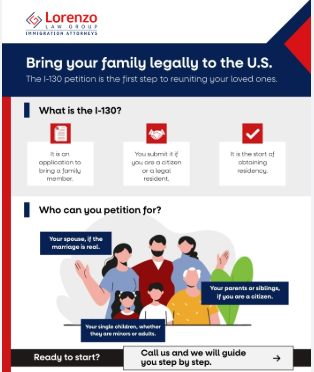
Approval starts with a family tie recognized by federal immigration law. U.S. citizens and permanent residents can petition only for certain relatives, and category mistakes often cause preventable refusals. Families often consult a DMR Law immigration lawyer when comparing the spouse, parent, child, sibling, or adult-child classifications, because each route has different limits, wait times, and documentary requirements. A petition filed under the wrong label may stall before deeper review even begins.
Proof of Status
The petitioner must show lawful status with records that match across the file. Common examples include a birth certificate, a passport, a naturalization certificate, or a permanent resident card. Name changes require supporting documentation to ensure each identity record aligns cleanly. Foreign documents require full English translations with translator certification. If status evidence is unclear, officers may question whether the person filing has legal authority to sponsor the relative named in the petition.
Relationship Records
Each family category depends on a different set of core documents. Parent cases usually rely on the petitioner’s birth certificate. Child filings often center on the beneficiary’s birth record. Sibling petitions normally need both birth certificates to show at least one shared parent. Adoption cases face stricter review, with attention to the decree, legal custody period, and joint residence requirement. Missing links in that chain can weaken an otherwise honest application.
Marriage Proof
Marriage petitions receive close scrutiny because officers must decide whether the couple has built a real shared life. Useful evidence includes joint leases, mortgage papers, bank statements, insurance policies, utility bills, travel records, and photos with dates or context. Prior marriages must be legally terminated before the later union begins. If the timing appears off or household records look thin, adjudicators may question whether the marriage qualifies for immigration sponsorship.
Financial Sponsorship
Family immigration also requires financial backing later in the process. Most beneficiaries need an Affidavit of Support from the petitioner, and sometimes a joint sponsor. Income usually must meet federal guideline thresholds for the household size involved. Tax returns, pay statements, employment letters, and proof of assets can help fill the record. Weak sponsorship evidence may raise concern that the intending immigrant could depend on public assistance.
Visa Availability
A well-supported petition may still be paused if no immigrant visa number is available. Immediate relatives of U.S. citizens are usually exempt from annual numerical limits. Preference categories, by contrast, move according to priority dates and quota backlogs. Those waiting lines can stretch for years, depending on category and country of chargeability. Approval of the petition itself does not guarantee immediate residence, because final processing depends on current visa availability.
Admissibility Rules
The beneficiary must also qualify for admission under immigration law before permanent residence can be granted. Past fraud, certain criminal convictions, prior removal orders, unlawful presence, or particular medical findings may block completion of the case. Some grounds can trigger bars after departure from the United States. Others may permit a waiver if legal standards are met. Relationship evidence alone cannot overcome a separate inadmissibility problem.
Accuracy And Timing
Small inconsistencies often create large problems in family filings. Officers compare names, dates, addresses, marriages, divorces, prior entries, and immigration history across all submitted forms. One mismatch can prompt a request for evidence or raise concern about credibility. Timing also matters at the last stage, because applicants must choose the correct path, adjustment of status inside the country or consular processing abroad. An incorrect route can delay final approval.
Conclusion
Approval rests on a sequence of legal and factual findings, each one supported by documents that fit the petition category. The government must see a valid family relationship, a qualified sponsor, sufficient financial support, visa availability where required, and a beneficiary who remains admissible. Clear records make that review easier. When facts stay consistent from first filing through final processing, officers have a stronger basis to approve rather than question the case.