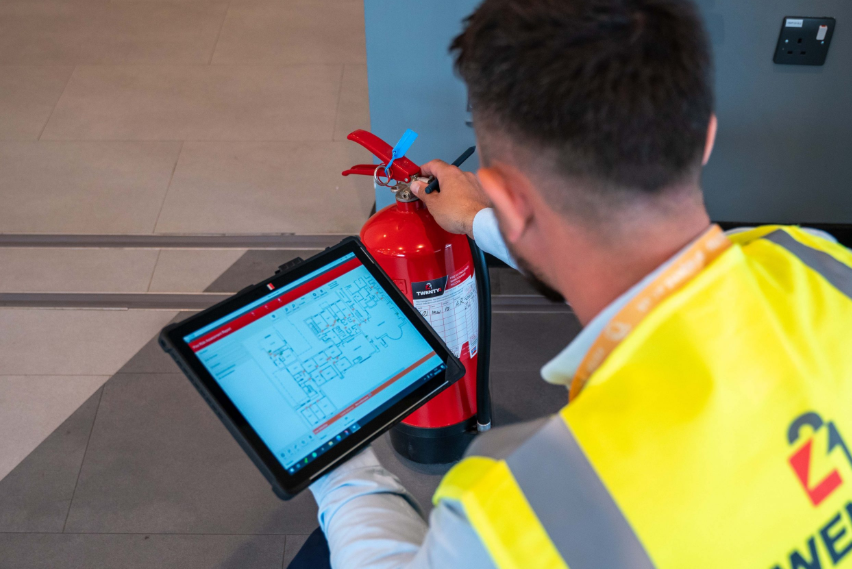
Fire Risk Assessment: Ensuring Safety and Compliance
Fire Risk Assessment is a structured process that identifies fire hazards, evaluates potential risks, and establishes control measures to prevent fire incidents. It is an essential part of safety management for any building, ensuring the protection of occupants, property, and business operations. Proper assessment also helps organizations comply with fire safety regulations.
Understanding Fire Risk Assessment
Fire Risk Assessment involves a systematic review of a property to determine where fires could start, who may be at risk, and how the fire could spread. The purpose is to implement preventive and protective measures that reduce the likelihood of fire and improve emergency preparedness.
Importance of Fire Risk Assessment
Fire Risk Assessment is crucial for preventing accidents, protecting lives, and minimizing property damage. It identifies weaknesses in fire safety measures before incidents occur. A well-conducted assessment enhances safety awareness, ensures legal compliance, and provides a framework for continuous improvement.
See also: WhatsApp Web and Telegram Download for Business Messaging
Identifying Fire Hazards
The first step in Fire Risk Assessment is identifying potential hazards. Common sources of ignition include electrical equipment, heating systems, and open flames. Fuel sources such as paper, chemicals, and flammable liquids are also considered. Understanding how these hazards interact is key to preventing fire incidents.
Evaluating Risk to People
A core focus of Fire Risk Assessment is protecting those at risk. This includes employees, residents, visitors, and vulnerable individuals such as children, the elderly, or people with disabilities. Assessing the level of risk for each group ensures that evacuation plans and safety measures are effective for everyone.
Assessing Existing Fire Safety Measures
Fire Risk Assessment evaluates current fire safety measures such as alarms, smoke detectors, fire extinguishers, emergency lighting, and fire doors. The assessment identifies gaps in these systems and recommends improvements to strengthen safety and ensure rapid response in case of fire.
Implementing Fire Prevention Strategies
Once hazards and risks are identified, Fire Risk Assessment helps implement preventive strategies. This may include safe storage practices, regular maintenance of equipment, fire-resistant materials, and housekeeping improvements. These measures reduce the likelihood of fire and limit its potential impact.
Emergency Planning and Evacuation Procedures
Fire Risk Assessment ensures that emergency procedures are clearly defined and practical. Evacuation routes, assembly points, and staff responsibilities are reviewed and communicated. Regular fire drills and training exercises prepare occupants to respond calmly and efficiently in case of fire.
Documentation and Record-Keeping
Documenting Fire Risk Assessment findings is essential for accountability and compliance. Records should include identified hazards, risk levels, and the measures implemented to control or eliminate risks. Proper documentation supports ongoing monitoring and review of fire safety practices.
Reviewing and Updating Fire Risk Assessment
Fire Risk Assessment is not a one-time activity. It should be reviewed regularly, especially after changes in building layout, occupancy, or processes. Regular updates ensure that fire safety measures remain effective and aligned with current risks.
Responsibility for Fire Risk Assessment
Fire Risk Assessment should be carried out by a competent and knowledgeable individual. Accurate assessment and practical recommendations are critical for implementing effective fire prevention and protection measures that safeguard people and property.
Conclusion
Fire Risk Assessment is a vital tool for creating a safe and secure environment. By identifying hazards, evaluating risks, and implementing controls, it reduces the likelihood of fire incidents and ensures rapid, safe response if a fire occurs. Regular assessment and continuous improvement establish a proactive fire safety culture that protects lives, property, and business operations.